Mental tension.

Let’s heal. Taking it one day at a time.

Handling mental tension can have numerous benefits for our overall well-being, including a more pleasant and fulfilling life. Here are some examples:

  1. Improved emotional regulation: When we learn to handle our mental tension, we are better equipped to manage our emotions and respond to challenging situations in a calm and constructive way. This can help us to avoid unnecessary stress and maintain a more positive outlook on life.
  2. Better decision-making: Mental tension can cloud our judgment and make it difficult to make clear and rational decisions. By learning to manage our mental tension, we can improve our decision-making abilities, allowing us to make more effective choices in our personal and professional lives.
  3. Increased self-awareness: Handling mental tension requires a certain level of self-awareness, which can help us to better understand our own thoughts, emotions, and behaviors. This increased self-awareness can lead to greater personal growth and development.
  4. Enhanced productivity: Mental tension can be a major distraction and hinder our ability to focus and be productive. By managing our mental tension, we can improve our concentration, boost our productivity, and achieve more in our daily lives.
  5. Stronger relationships: Unmanaged mental tension can often lead to interpersonal conflicts and strain relationships with others. By learning to handle our mental tension, we can improve our communication skills, build stronger relationships, and maintain more positive social connections.

Solitude -Words are powerful

To be alone,lonely or solitude. Perception is key. Choose Solitude.

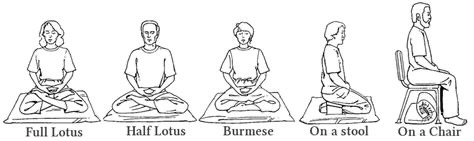
To be alone or isolated from others is to be in a state of solitude. Buddhist philosophy views solitude as a chance for contemplation and self-reflection. It allows us to disconnect from the outside world’s distractions and re-establish a connection with our inner selves. We can better understand our ideas, feelings, and experiences by spending time alone. It gives our bodies and minds a mental and physical boost, enabling us to face life with a fresh outlook and sense of purpose. Loneliness, which frequently comes with unpleasant feelings and a sense of detachment, is not the same as solitude. On the other side, solitude is a conscious decision to be by ourselves, frequently for the benefit of personal development.

Implementing solitude into daily activities can be a simple yet powerful way to promote mental and emotional well-being. Here are some ways to do it:

  1. Create a daily ritual: Set aside a specific time each day for solitude. This can be a time for meditation, mindfulness, or simply sitting quietly with your thoughts.
  2. Disconnect from technology: Turn off your phone, computer, or any other devices that may distract you. Eliminate any external noise that may interfere with your inner reflections.
  3. Go for a walk: Take a walk in nature, in a park, or any quiet place where you can be alone with your thoughts. Walking can be a great way to clear your mind, improve your mood, and reduce stress.
  4. Practice mindfulness: Focus on the present moment by paying attention to your breathing, your body sensations, and the environment around you. This can help you to become more aware of your thoughts and emotions and to let go of any negative feelings.
  5. Engage in a creative activity: Engage in a creative activity that allows you to express yourself, such as writing, drawing, or painting. This can be a great way to channel your emotions and reflect on your experiences.

By implementing solitude into daily activities, you can cultivate a sense of inner peace and clarity that can improve your overall well-being.

Saturday Motivation

#SaturdayMotivation 🌟 It’s the weekend, and it’s time to recharge and refocus. Let’s take some time today to prioritize self-care, whether it’s getting some exercise, spending time in nature, or simply relaxing with a good book. We deserve to take a break and recharge our batteries so that we can tackle the upcoming week with renewed energy and focus. Have a great weekend! 💆🏻‍♀️💆🏻‍♂️ #SelfCareSaturday #RechargeYourBatteries #WeekendVibes 🌞

Letting go…..

I am a self healer.

Here is something I’ve learned about letting go. I feel this plays a role in our everyday well being. I identify with humans that carry an emotional imprint through their everyday activity. Hope this information can assist you with some clarity.

Recommendations for for letting go:

  1. Acknowledge the emotion: The first step in letting go of an emotion is to acknowledge that it exists. You can’t release something if you don’t acknowledge it first. Take a moment to identify the specific emotion you’re experiencing.
  2. Accept the emotion: Once you’ve acknowledged the emotion, the next step is to accept it. This means allowing yourself to feel the emotion without judgment or resistance. Accepting the emotion doesn’t mean you have to like it, but it does mean that you’re willing to sit with it and experience it fully.
  3. Understand the emotion: Take some time to explore the emotion and understand where it’s coming from. What is triggering this feeling? Is there a specific event or situation that’s causing it? By understanding the root of the emotion, you can gain insight into why it’s there and how to release it.
  4. Release the emotion: There are many ways to release emotions, as we discussed earlier. Some effective techniques might include mindfulness meditation, journaling, physical exercise, or seeking professional help. The key is to find a method that works for you and make it a regular part of your routine.
  5. Practice self-compassion: Letting go of emotions can be challenging, and it’s important to be kind to yourself throughout the process. Practice self-compassion by acknowledging that letting go is a journey, and it may not happen overnight. Celebrate small wins and be gentle with yourself when you experience setbacks.
  6. Stay present: Finally, stay present and focused on the present moment. Emotions often stem from past events or future worries, so by staying present, you can reduce the power of those emotions. Use mindfulness techniques to keep yourself grounded and focused on the here and now.

Seeking humans.

Attention all growth seekers!

Are you ready to take control of your personal growth and unlock your full potential? Join me on a journey towards mindfulness, forgiveness, and letting go. Discover the importance of self-care and how to use meditation to gain mental clarity. Learn about the connection between gratitude and happiness, and how to overcome fear and anxiety. Discover the power of positive affirmations and the role of community in healing and personal growth. Together, we will embark on a journey of self-discovery that will help you transform into the best version of yourself. Don’t miss out on this life-changing opportunity! Join me and let’s start growing together.

Eliminating expectation.

Healing one day at a time.

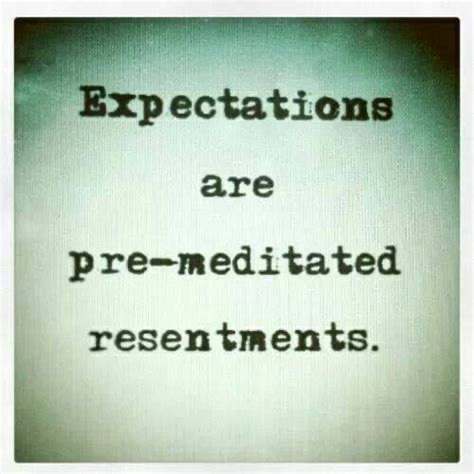
Why eliminate expectations. Because they can lead to pressure, disappointment, and dissatisfaction, expectations can be toxic. When we hold ourselves or others to a standard, we are effectively creating a situation in which we have a predetermined picture of what should happen, and anything short of that might result in unpleasant feelings. When we have unreasonable or unrealistic expectations, it can be extremely difficult because this can result in a vicious cycle of disappointment and self-criticism.

Because it relieves us of the burden of disappointment and enables us to concentrate on the here and now, eliminating expectations from other people can be beneficial to our lives. We can approach events with an open mind and without attachment to a particular outcome when we let go of our expectations. This may result in a more contented life.

Let’s Heal together

Admitting that one is healing is an important step in the process of reinventing oneself and making positive changes in life, which can lead to a greater sense of self-awareness, self-acceptance, and fulfillment. Reinventing oneself through the process of healing can involve addressing and working through past traumas, negative thought patterns, and behaviors, and developing new and healthier ways of thinking and living. It can also involve setting new goals and taking action towards a more fulfilling and satisfying life.

As humans, we all have a unique story to tell. Our past experiences shape who we are today, and sometimes we need to revisit those experiences to heal and grow. That’s why I am inviting you to share your healing journey on “HOPE, Healing Our Past, and Evolving” podcast.

By sharing our stories, we can help others who may be going through similar experiences. Let’s heal together and inspire others to do the same. Your story matters, and your voice deserves to be heard.

If you are interested in sharing your journey, please DM me. I would be honored to have you as a guest on the show.

Thank you for considering this invitation. Let’s make a difference together.🙏❤️

healourheart #growth #TogetherWeCan

Thursday motivation

#ThursdayMotivation 💪🏼 It’s almost the end of the week, but it’s not too late to make a positive impact. Let’s use today to spread kindness, show gratitude, and make a difference in someone’s life. Whether it’s a small gesture or a grand act of kindness, we have the power to make someone’s day a little brighter. Let’s go out and make the world a better place, one kind act at a time. #SpreadKindness #GratitudeAttitude #MakeADifference 🌟

Wednesday motivation

#WednesdayMotivation 💥 We’re halfway through the week and it’s time to keep pushing forward! Let’s take a moment to reflect on our goals and recommit to our vision. Whether it’s personal growth, career advancement, or simply making a positive impact in the world, let’s keep moving forward with purpose and passion. You’ve got this! 💪🏼 #KeepPushingForward #MidweekMotivation #PurposeAndPassion 🌟

Thoughts are powerful

Thinking creates feelings, whether positive or negative. Our thoughts influence our emotions and behavior. If we think positively, we feel good and act positively, and vice versa. Our thinking patterns are deeply ingrained, but we can train our minds to think positively, even in the face of adversity.

Here are five steps to help reshape negative thinking and cultivate positive emotions:

  1. Identify negative thoughts: Start by identifying negative thoughts that trigger unpleasant emotions. Be aware of the thoughts that lead to feelings of sadness, anger, anxiety, or frustration.
  2. Challenge negative thoughts: Once you identify negative thoughts, challenge them. Ask yourself if your thoughts are realistic or based on assumptions. Question the evidence supporting your negative beliefs.
  3. Reframe negative thoughts: Reframe negative thoughts by replacing them with positive or neutral thoughts. Focus on the positives and try to see the situation in a different light.
  4. Practice gratitude: Gratitude helps us focus on the positives in our lives. Take time to appreciate the things you have, the people in your life, and the good things that happen to you.
  5. Practice mindfulness: Mindfulness is the practice of being present and fully engaged in the moment. It helps us observe our thoughts and emotions without judgment. Mindfulness can help us to regulate our emotions and cultivate a sense of calmness and positivity.

Remember, it takes time and effort to retrain your brain to think positively. However, with practice, you can learn to identify and challenge negative thoughts, reframe them, and cultivate positive emotions. Positive thinking can lead to a happier, healthier, and more fulfilling life.