#SaturdayMotivation 🌟 It’s the weekend, and it’s time to make the most of our time off. Let’s use today to do things that bring us joy and fill our souls, whether it’s spending time with loved ones, pursuing our hobbies, or simply taking a walk in nature. And let’s remember to be present in the moment and appreciate the beauty of the world around us. We have the power to create our own happiness, so let’s make the most of this day and savor every moment. Happy Saturday! #SelfCare #Gratitude #CreateYourOwnHappiness 🌟
#FridayMotivation 🌟 It’s the end of the week, and it’s time to reflect on our progress and celebrate our accomplishments. Let’s use today to appreciate ourselves and the hard work we’ve put in, and to set our intentions for the upcoming weekend. And let’s remember to take some time for rest and self-care, so we can recharge and start the new week with renewed energy. We have the power to create the life we want, so let’s keep moving forward towards our goals and dreams. Happy Friday! #CelebrateAccomplishments #SelfCare #KeepMovingForward 🌟
As a healing human, I am constantly exploring the depths of my existence. I have come to realize that our emotions play a crucial role in shaping our experiences, and that our attachment to these emotions can often lead us astray. But I am learning to break free from these limiting concepts, so that I can truly embrace the beauty of who I am.
Through my own journey of self-discovery, I have learned the importance of being open and vulnerable with others. I hope to connect with like-minded individuals who are also on a quest to find meaning and purpose in their lives.
For me, healing is all about learning how to love again. It means facing the challenges and obstacles that come my way, and using them as an opportunity for growth and transformation. I understand the struggles and doubts that can arise along the way, but I am committed to sharing my own experiences in the hopes of helping others on their own paths to healing.
Ultimately, my goal is to create a ripple of love that can touch the lives of everyone I encounter. I believe that we were all created to share in this love, and I am dedicated to doing my part to make this world a more compassionate and joyful place.
As I continue to learn and share in hopes that it assist you with any challenges you face.
I want to share with you the importance of valuing the present moment. It’s easy to get caught up in regrets about the past or worries about the future, but the truth is that the only true moment we have is NOW.
By being fully present in the moment, we can fully experience life as it is happening. This leads to greater clarity and the ability to make better decisions. When we’re not distracted by multitasking, we can fully engage in what we’re doing and connect with others.
Speaking of connections, being present with others is crucial to building meaningful relationships. By being fully present in conversations and interactions, we can deepen our understanding of others and foster empathy. This ultimately leads to stronger connections and a greater sense of community.
Finally, valuing the present moment can lead to increased happiness and a greater sense of well-being. When we’re present, we’re more likely to notice the beauty and joy in our lives, rather than dwelling on negative thoughts or feelings.
So, I encourage you to take a moment to be fully present in the NOW. Whether you’re spending time with loved ones, enjoying your favorite activity, or simply taking a few deep breaths, make the most of the present moment. You won’t regret it.
#ThursdayMotivation 💪🏼 It’s almost the end of the week, and it’s time to give it one last push towards our goals. Let’s use today to tackle any challenges that come our way, and to stay committed to our priorities. And let’s remember that setbacks and failures are a part of the journey, and they can be used as opportunities for growth and learning. We have the power to overcome any obstacle, so let’s stay strong, stay determined, and keep pushing towards our dreams. Let’s finish this week strong! #OneLastPush #GrowthMindset #FinishStrong 💪🏼
When it comes to the mind, body, and soul, it’s important to approach these three aspects of ourselves holistically. An expert on this topic would likely recommend integrating practices that support and nurture each of these areas in order to achieve optimal well-being.
For the mind, this might involve engaging in activities that promote mental clarity, such as meditation, mindfulness, or journaling. It could also involve seeking out resources that help to alleviate stress or anxiety, such as therapy or counseling.
For the body, an expert might suggest prioritizing physical health through regular exercise, healthy eating, and adequate rest. This could also include engaging in practices that promote relaxation and stress reduction, such as yoga or massage therapy.
Finally, for the soul, an expert might recommend exploring practices that connect us with our inner selves and a sense of purpose or meaning. This could involve spiritual practices, such as prayer or meditation, or simply engaging in activities that bring us joy and fulfillment.
I’ve come to understand that human growth is not a solo journey, and that connection through compassion is crucial to building a strong foundation of support. It took me a while to realize that being the example can create ripples of love that extend beyond ourselves.
Living a fulfilled life isn’t about trying to control every aspect of it or being overly focused on the future. I’ve learned that taking each day as it comes and focusing on the present is a fundamental key to living a fulfilled life. It’s about taking back the power we were born with, the power to create our lives.
I’ve come to realize that responsibility is an essential component of self-healing. When I started to take responsibility for my actions, I began to see that I was doing my best with what I knew and had learned from my environment. This perspective helped me to let go of self-judgment and replace it with self-compassion.
As a self-healer, I’m sharing my journey in hopes of assisting others. I understand that we are all unique in our own ways, and what works for me may not work for everyone. That’s why I’m here to support others in finding what works for them.
Let’s heal together, one day at a time. With compassion and support, we can create ripples of love that extend far beyond ourselves. Together, we can embrace the power we have to create the lives we desire.
#WednesdayMotivation 🌟 It’s the middle of the week, and it’s time to keep pushing forward towards our goals. Let’s use today to stay focused on our priorities, and to remember why we started in the first place. And let’s remember to take a moment to appreciate our progress so far, no matter how small it may seem. We have the power to make the most of every day, so let’s stay motivated, stay positive, and keep taking action towards our dreams. We can do this! #PushForward #AppreciateProgress #StayPositive 🌟
My goal, as a self-healer, is to work on myself so that I can be the best version of myself and create a ripple of love that will impact those around me. I understand that the journey towards inner peace can be challenging, but it is a necessary step towards becoming a positive influence in the world.
One of my personal goals is to have meaningful conversations with individuals who hold different views from my own, without becoming hostile or letting my tone betray my frustration. I am tired of seeing people claim that everyone has the right to their own opinions, only to turn around and argue vehemently when confronted with opposing views. I believe that change can start with me, and that is why I am willing to share the tools and steps that have worked for me on my own journey of self-improvement.
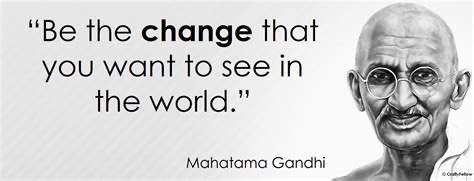
As Ghandi once said, “Be the change you wish to see in the world.” This quote has been a source of inspiration for me, and I realize that in order to embody this change, I must continue to work on myself. I am aware that there are layers of trauma that I need to work through, but I am committed to the process, and I am learning to practice patience and self-compassion along the way.
I invite you to join me on this journey towards healing, one day at a time. Together, we can create a ripple of love that will have a positive impact on the world around us.
As I continue to learn on how to be the best version of myself. I create these post to share my tools and resources in hope to assist you in any challenges you may face that are similar. This one is a game changer.
Forgiving ourselves and others can be a challenging and complex process, particularly when anger has caused harm or damage. However, it is an important part of healing and moving forward in our lives.
Self-compassion is an essential component of this process, as it involves treating ourselves with kindness, understanding, and acceptance, even when we have made mistakes or experienced difficult emotions.
Here are some steps that can help in the process of forgiveness and self-compassion:
1.Acknowledge the harm: Take responsibility for any harm or damage that has been caused, whether it is to ourselves or others. This involves facing the truth of the situation and acknowledging the pain that has been experienced.
2.Practice self-compassion: Recognize that we all make mistakes, and that our actions are not a reflection of our inherent worth or value as a person. Practice self-compassion by treating ourselves with kindness and understanding, and acknowledging the difficult emotions we may be experiencing.
3.Seek forgiveness: If we have caused harm to others, it is important to seek their forgiveness. This involves taking responsibility for our actions, expressing genuine remorse, and making amends where possible.
4.Let go of resentment: Holding onto anger and resentment can be harmful to ourselves, and can prevent us from moving forward. Practice letting go of these emotions by focusing on self-compassion, and recognizing that forgiveness is a process that takes time.
5.Focus on growth and healing: Rather than dwelling on the past, focus on personal growth and healing. This involves learning from our mistakes, setting intentions for the future, and taking positive steps towards creating a more fulfilling and meaningful life.
In conclusion, forgiveness and self-compassion are important processes in healing and moving forward from difficult situations. By acknowledging our mistakes, practicing self-compassion, seeking forgiveness, letting go of resentment, and focusing on growth and healing, we can cultivate greater emotional resilience, self-awareness, and self-love.







 NO LABELS JUST HUMAN