#WednesdayMotivation 🌟 It’s the middle of the week, and it’s time to keep pushing forward towards our goals. Let’s use today to stay focused on our priorities, and to remember why we started in the first place. And let’s remember to take a moment to appreciate our progress so far, no matter how small it may seem. We have the power to make the most of every day, so let’s stay motivated, stay positive, and keep taking action towards our dreams. We can do this! #PushForward #AppreciateProgress #StayPositive 🌟
My goal, as a self-healer, is to work on myself so that I can be the best version of myself and create a ripple of love that will impact those around me. I understand that the journey towards inner peace can be challenging, but it is a necessary step towards becoming a positive influence in the world.
One of my personal goals is to have meaningful conversations with individuals who hold different views from my own, without becoming hostile or letting my tone betray my frustration. I am tired of seeing people claim that everyone has the right to their own opinions, only to turn around and argue vehemently when confronted with opposing views. I believe that change can start with me, and that is why I am willing to share the tools and steps that have worked for me on my own journey of self-improvement.
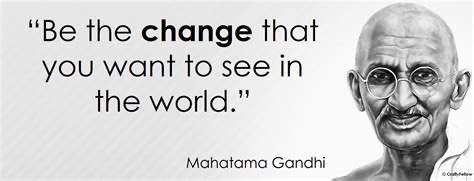
As Ghandi once said, “Be the change you wish to see in the world.” This quote has been a source of inspiration for me, and I realize that in order to embody this change, I must continue to work on myself. I am aware that there are layers of trauma that I need to work through, but I am committed to the process, and I am learning to practice patience and self-compassion along the way.
I invite you to join me on this journey towards healing, one day at a time. Together, we can create a ripple of love that will have a positive impact on the world around us.
As I continue to learn on how to be the best version of myself. I create these post to share my tools and resources in hope to assist you in any challenges you may face that are similar. This one is a game changer.
Forgiving ourselves and others can be a challenging and complex process, particularly when anger has caused harm or damage. However, it is an important part of healing and moving forward in our lives.
Self-compassion is an essential component of this process, as it involves treating ourselves with kindness, understanding, and acceptance, even when we have made mistakes or experienced difficult emotions.
Here are some steps that can help in the process of forgiveness and self-compassion:
1.Acknowledge the harm: Take responsibility for any harm or damage that has been caused, whether it is to ourselves or others. This involves facing the truth of the situation and acknowledging the pain that has been experienced.
2.Practice self-compassion: Recognize that we all make mistakes, and that our actions are not a reflection of our inherent worth or value as a person. Practice self-compassion by treating ourselves with kindness and understanding, and acknowledging the difficult emotions we may be experiencing.
3.Seek forgiveness: If we have caused harm to others, it is important to seek their forgiveness. This involves taking responsibility for our actions, expressing genuine remorse, and making amends where possible.
4.Let go of resentment: Holding onto anger and resentment can be harmful to ourselves, and can prevent us from moving forward. Practice letting go of these emotions by focusing on self-compassion, and recognizing that forgiveness is a process that takes time.
5.Focus on growth and healing: Rather than dwelling on the past, focus on personal growth and healing. This involves learning from our mistakes, setting intentions for the future, and taking positive steps towards creating a more fulfilling and meaningful life.
In conclusion, forgiveness and self-compassion are important processes in healing and moving forward from difficult situations. By acknowledging our mistakes, practicing self-compassion, seeking forgiveness, letting go of resentment, and focusing on growth and healing, we can cultivate greater emotional resilience, self-awareness, and self-love.
#TuesdayMotivation 🌟 It’s the second week of March, and it’s time to keep moving forward towards our goals. Let’s use today to stay focused, stay motivated, and keep taking action. And let’s remember to be kind to ourselves and take breaks when we need them, because self-care is just as important as productivity. We have the power to create the life we want, so let’s keep pushing ourselves outside of our comfort zones and taking steps towards our dreams. Let’s make this week count! #KeepMovingForward #SelfCareIsImportant #MakeItCount
Shifting away from people-pleasing behavior can be challenging, but it is possible with the right mindset and tools. Here are some tips for changing from people pleasing:
Develop self-awareness: Start by becoming more aware of your own needs and values. This can involve taking time to reflect on what is important to you, what you need to feel fulfilled, and what your boundaries are.
Practice self-care: Engage in activities that promote self-care and self-compassion, such as exercise, meditation, or spending time in nature. Prioritizing your own well-being can help you feel more grounded and centered.
Set boundaries: Learn to say “no” to requests or situations that don’t align with your values or that compromise your well-being. This can involve setting clear boundaries with others and communicating your needs and limits assertively.
Practice self-validation: Instead of seeking validation from others, work on validating yourself. This can involve focusing on your strengths, accomplishments, and positive qualities, and acknowledging yourself for your successes.
Seek support: Consider seeking the help of a therapist or coach who can help you identify and address the underlying causes of your people-pleasing behavior, and provide you with tools and strategies to shift away from this pattern.
Remember that changing from people-pleasing behavior takes time and practice. Be patient with yourself and celebrate your successes along the way. With commitment and support, you can learn to prioritize your own needs and live a more fulfilling life.
Cognitive dissonance is created when a person holds two or more contradictory beliefs, values, or ideas. This can happen when new information is introduced that contradicts existing beliefs, or when a person is faced with a decision that goes against their values or principles.
Cognitive dissonance can be created in several ways:
Information inconsistency: When a person encounters information that is inconsistent with their existing beliefs or values, it creates cognitive dissonance. For example, if someone strongly believes that a particular political candidate is the best choice for a position, but then learns about some unethical behavior, it can create cognitive dissonance.
Decision-making: When a person is faced with a decision that goes against their values or principles, it can create cognitive dissonance. For example, if someone values honesty but is put in a situation where they feel they have to lie to protect someone’s feelings, it can create cognitive dissonance.
Belief disconfirmation: When a person’s beliefs are challenged or disconfirmed, it can create cognitive dissonance. For example, if someone believes that a particular diet is the best way to lose weight, but then gains weight despite following the diet, it can create cognitive dissonance.
Effort justification: When a person puts a lot of effort into something that doesn’t have a positive outcome, it can create cognitive dissonance. For example, if someone spends a lot of time and money on a project that ultimately fails, it can create cognitive dissonance.
In all these cases, cognitive dissonance arises when a person’s beliefs, values, or ideas are challenged or contradicted in some way. This can create a sense of discomfort or tension, which motivates the person to resolve the inconsistency by changing their beliefs, values, or ideas, or by rationalizing their behavior to reduce the dissonance.
#MondayMotivation 💪🏼 It’s the start of a new week, and it’s time to set our intentions and take action towards our goals. Let’s use today to create a plan for the week ahead and take the first steps towards achieving it. And let’s remember that it’s okay to take things one step at a time, as long as we keep moving forward. We have the power to make this week a success, so let’s stay focused, stay motivated, and keep taking action. Let’s make it a great week! #SetIntentions #OneStepAtATime #MakeItAGreatWeek 🌟
“As I continue to grow, I must share my learnings to contribute to anyone facing a personal challenge that may consume them.”
As the day comes to a close, it’s important to take a moment to clear our minds and let go of any worries or stress that may be weighing us down. Remember that every day is an opportunity for growth and learning, and that by embracing the present moment and letting go of the past, we can create a brighter and more fulfilling future.
Let’s approach each new day with a nurturing heart, treating ourselves and others with kindness, compassion, and understanding. Let’s learn to let go of negative emotions and experiences, and focus on the present moment and the endless possibilities that lie ahead.
Remember, life is a journey, and each step we take brings us closer to our true purpose and potential. So, take a deep breath, clear your mind, and let’s learn to let go and grow together.
The idea that everyone is here for a lesson in our growth is a common theme in many spiritual and philosophical traditions. It suggests that each person and experience we encounter in life has a purpose and a lesson for us to learn.
From this perspective, life is seen as a journey of personal growth and self-discovery. Each challenge, setback, and triumph we encounter along the way provides an opportunity for us to learn and grow, and to become more fully ourselves.
This approach recognizes that growth is not always easy or comfortable. We may encounter difficult situations, painful emotions, and challenging people in our quest for self-improvement. However, by embracing these experiences as opportunities for growth, we can approach them with greater openness and resilience.
In this way, the people we encounter in our lives can be seen as teachers, guiding us towards greater self-awareness and understanding. Even those who challenge us or cause us pain can offer valuable lessons, helping us to recognize our own limitations, biases, and areas for growth.
Ultimately, the idea that everyone is here for a lesson in our growth invites us to approach life with a sense of curiosity and openness, to be receptive to the lessons that each experience has to offer, and to recognize the value of every person and situation we encounter along the way.
Taking responsibility for our actions and reactions is an important part of personal growth and healing. It can be easy to blame others or external circumstances when we find ourselves in uncomfortable situations, but this approach often leads to more pain and negativity.
By taking responsibility for our own emotions and responses, we can approach uncomfortable situations with greater clarity and intentionality. Instead of becoming reactive or defensive, we can step back and consider how our thoughts, emotions, and behaviors may be contributing to the situation.
When we take responsibility for our own experiences, we can also avoid the trap of taking things personally. Often, our reactions to a situation are not about the situation itself, but rather about our own fears, insecurities, and past experiences. By recognizing this, we can begin to address these underlying issues and avoid projecting our own pain onto others.
In doing so, we can create a ripple effect of healing. By approaching uncomfortable situations with a sense of responsibility and compassion, we model healthy behavior for those around us. We create a safe and supportive environment in which others can also take responsibility for their own experiences and work towards healing and growth.
In short, taking responsibility for our actions and reactions is an important part of personal and collective healing. It allows us to approach difficult situations with greater awareness and intentionality, and to create a more positive and compassionate world









 NO LABELS JUST HUMAN