Embracing Clarity: Unraveling the Human Experience

In the quest to assist our species in embracing and loving a full, empowered life, we must dive deep into the intricate facets of the human experience. Our mission is not only to challenge ourselves but also to illuminate the path for others. This article explores the profound journey of understanding what it truly means to be human, the nature of our habitual behaviors, and how changing our thinking can reshape our reality.

I. Habitual Beings: The Nature of Human Behavior

At our core, humans are creatures of habit. Our brains are wired to seek patterns and routines as a way to conserve energy and streamline decision-making. These habits manifest in various aspects of our lives, both physical and mental. From how we tie our shoelaces to the way we react to stress, these patterns define us.

  • The Habit Loop: Habits follow a cycle: cue, routine, and reward. Understanding this loop is essential in changing behaviors. For instance, recognizing the cue that triggers an unhealthy habit is the first step toward transformation.

II. Changing Our Reality: The Power of Thought

Our thoughts hold immense power in shaping our reality. To change our reality, we must first change the way we think:

  • Self-Awareness: This is the cornerstone of change. It involves recognizing our thought patterns and emotional responses. Journaling or meditation can be invaluable tools for developing self-awareness.
  • The Subconscious Mind: Many of our habits and emotional responses are rooted in our subconscious, often stemming from unresolved past experiences. Unearthing and addressing these buried emotions is essential for personal growth.

III. Personal Reality: The Lens Through Which We See the World

Our reality is not an objective truth but a subjective construct. It’s the lens through which we perceive the world. Understanding this is crucial:

  • The Role of Personality: Our personalities are formed through experiences and emotional responses. By delving into our past, we can better comprehend the traits and behaviors we’ve developed.

IV. Environmental Influence: Shaping Our Habits

The environment we inhabit has a significant influence on our habits and behaviors:

  • Social Circles: The people we surround ourselves with can either reinforce or challenge our habits. Embracing new social circles can introduce fresh perspectives and opportunities for personal growth.
  • Information Diet: What we read, watch, and listen to also shapes our thinking. Being mindful of the information we consume is vital for changing thought patterns.

V. Seeking Clarity: The Path to Balance

In a world often characterized by chaos and uncertainty, seeking clarity becomes paramount:

  • Inner Journey: Practices like meditation, mindfulness, and self-reflection can help us navigate our inner world. These techniques promote clarity and calm amid life’s challenges.
  • External Guidance: Mentors, coaches, or experts can provide valuable insights and tools for self-discovery and personal transformation.

VI. Becoming the Example: Challenging Ourselves

To be the example for others on this journey, we must continuously challenge ourselves:

  • Embracing Change: Change is the only constant in life. Embracing it as an opportunity for growth sets a powerful example for those around us.
  • Cultivating Empathy: As we uncover our own struggles and transformations, we develop a deeper understanding of others. This empathy can be a beacon of support and encouragement for those seeking clarity and empowerment.

In conclusion, the path to embracing and loving a full, empowered life involves understanding our habitual nature, exploring the roots of our personality, and actively reshaping our reality through changed thought patterns and emotional responses. This journey is not just for personal growth but also to guide and inspire others, illuminating the path toward a brighter, more compassionate future for all of humanity.


Mastering Time Management:

Unlocking Your Productivity Potential

Time is our most precious resource, and effective time management is the key to unlocking your full productivity potential. In this guide, we’ll explore the art of time management and how it empowers you to make the most of each day, achieving your goals and dreams.

The Value of Time Management

Time management is not about squeezing as many tasks as possible into your day; it’s about making deliberate choices and allocating your time wisely. It’s a skill that enhances your efficiency, reduces stress, and increases your overall productivity.

Setting Clear Goals

Effective time management begins with setting clear, achievable goals. By knowing what you want to accomplish, you can prioritize your tasks and stay focused on what truly matters. Goals provide direction and motivation.

Prioritization and Planning

Prioritizing tasks is at the heart of time management. It involves assessing the importance and urgency of each task and allocating your time accordingly. Effective planning ensures that you make the most of your available time.

Overcoming Procrastination

Procrastination can be a major time thief. We often delay tasks due to fear, perfectionism, or lack of motivation. Overcoming procrastination involves understanding its root causes and employing strategies to tackle it head-on.

Time-Blocking and Efficiency

Time-blocking is a powerful technique that involves allocating specific time slots to tasks or activities. It helps you stay focused and avoid multitasking, leading to increased efficiency and productivity.

Avoiding Burnout

Effective time management is not about overloading your schedule; it’s about finding a healthy balance. Avoiding burnout means recognizing your limits, taking breaks, and practicing self-care to maintain your well-being.

Technology and Tools

In the digital age, numerous tools and apps can aid in time management. From to-do lists and calendar apps to time-tracking tools, technology can be your ally in optimizing your schedule.

Continuous Improvement

Time management is a skill that can be honed and refined over time. By regularly evaluating your habits and seeking ways to improve your time management strategies, you can continue to enhance your productivity.

Conclusion: Your Support Matters

In conclusion, I want to express my gratitude for your dedication to self-improvement and effective time management. If you’ve found value in these insights and would like to support the creation and sharing of more resources on time management and productivity, please consider making a donation. Your support helps us continue this transformative work.

Together, we can inspire and assist others on their own journeys of mastering time management and achieving their goals. Click here to donate and be a part of this empowering journey.

Thank you for your commitment to mastering time management and for being a part of this transformative journey. 🌟⏳

Mastering Effective Communication:


Building Healthy Relationships

Effective communication is the cornerstone of successful relationships, both in our personal and professional lives. It’s the art of expressing thoughts, feelings, and ideas clearly while actively listening to others. In this guide, we’ll explore the vital components of effective communication and how it contributes to building and maintaining healthy relationships.

The Power of Communication

Communication is more than just words; it’s about conveying intentions, emotions, and understanding. Whether it’s with a partner, family member, colleague, or friend, effective communication is the key to fostering connection, resolving conflicts, and nurturing trust.

Active Listening: The Foundation

One of the fundamental aspects of effective communication is active listening. It involves giving your full attention to the speaker, showing empathy, and seeking to understand their perspective. Active listening fosters an environment where individuals feel heard and valued.

Clear Expression

Expressing oneself clearly is equally important. It’s about articulating thoughts and emotions in a way that the listener can understand. This includes using simple language, avoiding misunderstandings, and being open and honest in your communication.

Non-Verbal Communication

Our body language, facial expressions, and tone of voice play a significant role in how our messages are received. Understanding and using non-verbal cues effectively can enhance your communication and convey emotions and intentions accurately.

Conflict Resolution

Conflicts are a natural part of any relationship. Effective communication is vital for resolving conflicts in a constructive manner. It involves active listening, expressing your feelings, and working together to find mutually beneficial solutions.

Empathy and Understanding

Empathy, the ability to understand and share the feelings of others, is a powerful tool in communication. It involves seeing the world from another person’s perspective and validating their emotions. Empathy builds trust and strengthens relationships.

Professional Communication

Effective communication is not limited to personal relationships. It’s equally crucial in the workplace. Strong communication skills are essential for collaboration, teamwork, and leadership. They contribute to a positive work environment and career success.

Continuous Improvement

Mastering effective communication is an ongoing journey. It requires practice, self-awareness, and a commitment to enhancing your skills. By continually striving to communicate more effectively, you can build and maintain healthy, fulfilling relationships.

Conclusion: Your Support Matters

In closing, I want to express my gratitude for your dedication to self-improvement and building healthy relationships. If you’ve found value in these insights and would like to support the creation and sharing of more resources on effective communication, please consider making a donation. Your support helps us continue this transformative work.

Together, we can inspire and assist others on their own journeys of effective communication and relationship-building. Click here to donate and be a part of this empowering journey.

Thank you for your commitment to mastering effective communication and for being a part of this transformative journey. 🌟🌱

Mastering Emotional Intelligence:

Your Guide to Self-Regulation

Emotional Intelligence (EQ) is often considered the missing piece in our understanding of personal development. It’s the skill that empowers us to recognize, understand, and manage our emotions effectively, fostering healthier relationships, decision-making, and overall well-being.

The Power of Emotional Intelligence

Emotional Intelligence goes beyond simply “feeling” emotions; it’s about harnessing that emotional energy to drive positive outcomes in our lives. In this guide, we’ll explore the essential components of emotional intelligence and how you can master the art of self-regulation.

Self-Awareness: The Foundation

Before we can effectively manage our emotions, we must first become aware of them. Self-awareness is the cornerstone of emotional intelligence. It involves recognizing and understanding our emotional triggers, strengths, and weaknesses. Through introspection and mindfulness, we gain insights into how our emotions influence our actions.

Self-Regulation: The Art of Balance

Once we are aware of our emotions, the next step is self-regulation. This is where we learn to control our reactions and responses. It’s about finding that delicate balance between expressing our emotions authentically and managing them constructively. Self-regulation enables us to navigate challenging situations with grace and composure.

Empathy and Social Awareness

Emotional intelligence extends to our interactions with others. Empathy and social awareness are the keys to building deeper, more meaningful connections. These skills enable us to understand the emotions and perspectives of others, fostering empathy and compassion in our relationships.

Improving Decision-Making

Emotional intelligence also plays a significant role in decision-making. By understanding our emotions and those of others, we can make choices that align with our values and long-term goals. This leads to more informed, well-balanced decisions.

The Continuous Journey

Mastering emotional intelligence is a lifelong journey. It requires practice, self-reflection, and a commitment to personal growth. As you embark on this path, remember that it’s not about suppressing emotions but about channeling them in positive ways.

Conclusion: Your Support Matters

In closing, I want to express my gratitude for your dedication to self-improvement and personal growth. If you’ve found value in these insights and would like to support the creation and sharing of more resources on emotional intelligence and self-regulation, please consider making a donation. Your support helps us continue this transformative work.

Consider donating to support the creation and sharing of these insights and resources. Together, we can illuminate the path of self-discovery, healing, and authentic living for all those who seek it.

Thank you for your commitment to mastering emotional intelligence and for being a part of this transformative journey. 🌟🌈

Practicing Mindfulness and Self-Awareness:

Your Guide to Inner Growth

Mindfulness and self-awareness are transformative practices that open the door to inner growth and personal development. These powerful tools empower us to navigate life’s challenges with grace and cultivate a deeper understanding of ourselves. In this guide, we’ll explore practical ways to integrate mindfulness and self-awareness into your daily life.

Start with Mindful Breathing

One of the simplest ways to begin your mindfulness journey is through mindful breathing. Find a quiet space, sit comfortably, and focus your attention on your breath. Inhale deeply, exhale slowly, and notice the sensation of each breath. When your mind wanders, gently bring it back to your breath. This practice helps anchor you in the present moment.

Action Step: Dedicate five minutes each day to mindful breathing, gradually increasing the duration as you become more comfortable.

Create a Mindfulness Routine

Consistency is key to reaping the benefits of mindfulness. Establish a daily routine that incorporates mindfulness exercises. This could include morning meditation, mindful walks, or even mindful eating. Setting aside specific times for these practices helps make them a natural part of your life.

Inspiration: “Each morning, I kickstart my day with mindfulness. It begins with a refreshing glass of lemon water or celery juice, followed by 15 minutes of tranquil meditation. Then, I gently awaken my body with stretching and Qi Gong-inspired push-ups. The highlight of my morning is a 40-minute to 1-hour mindful walk, where I immerse myself in the present moment, appreciating nature’s beauty. This routine helps me find clarity and set a positive tone for the day ahead.”

Embrace Self-Reflection

Self-awareness thrives through self-reflection. Dedicate time to journaling about your thoughts, emotions, and experiences. Use prompts like, “What am I feeling right now?” or “What triggered this reaction?” Self-reflection uncovers patterns and insights about yourself.

Reflection: In my journey of self-awareness, I’ve recognized a tendency to become lost in discussions, often leading to defensiveness or debating my thoughts. This awareness has prompted me to adopt a more mindful approach to conversations, focusing on active listening, staying present, and respecting diverse viewpoints. By consciously addressing this challenge, I aim to engage in more enriching and harmonious discussions, fostering genuine understanding and personal growth.

Practice Gratitude

Gratitude is a powerful tool for both mindfulness and self-awareness. Take a moment each day to reflect on the things you’re grateful for. This practice shifts your focus from what’s lacking to what’s abundant in your life, fostering a positive mindset.

Action Step: Keep a gratitude journal and jot down three things you’re grateful for each day.

Seek Guidance and Community

Consider joining mindfulness or self-awareness groups or classes. Connecting with like-minded individuals provides support and encouragement on your journey. You can also seek guidance from books, podcasts, or mindfulness apps that offer structured practices.

Sharing: Here are some recommendations.

Books/Audibles: Inner Engineering ~Sadhuguru The Power of Unwavering Focus ~Dandapani Lighter ~Yung Pueblo.

Check out my Podcast coming soon H.O.P.E Healing Our Past & Evolving.

App: Isha Kriya

Closing Message: Your Support Matters

In closing, I want to express my gratitude for your dedication to self-improvement and personal growth. If you’ve found value in these insights and would like to support the creation and sharing of more resources on mindfulness and self-awareness, please consider making a donation. Your support helps us continue this transformative work.

Consider donating to support the creation and sharing of these insights and resources. Together, we can illuminate the path of self-discovery, healing, and authentic living for all those who seek it. Thank you for being a part of this transformative journey. 💖

Mindfulness and Self-Awareness:

My Path to Personal Growth

Mindfulness and self-awareness have been my guiding lights on a journey of personal growth and transformation. These practices have provided me with the tools to navigate life’s complexities, understand myself deeply, and make intentional choices that lead to profound change. In this guide, I want to share with you the essence of mindfulness and self-awareness and how they can become your compass on the path of self-discovery.

The Power of Mindfulness

Mindfulness, for me, is the art of being fully present in the moment. It’s about consciously observing my thoughts, emotions, and sensations without judgment. Through mindfulness, I’ve come to appreciate:

Action Step: I invite you to begin with a simple mindfulness exercise. Find a quiet space, close your eyes, and focus on your breath for a few minutes. This small act can be your first step into the world of mindfulness.

The Gift of Self-Awareness

Self-awareness, on the other hand, has been my mirror to inner understanding. It’s the ability to recognize my thoughts, emotions, and behaviors as they arise. Self-awareness empowers me to:

Reflection: Consider a recent situation in your life where self-awareness played a pivotal role. How did it influence your actions and decisions?

Integrating Mindfulness and Self-Awareness

Mindfulness and self-awareness work hand in hand for me. Mindfulness opens the door to the present moment, while self-awareness deepens my understanding of that moment. Together, they lead to profound personal growth:

Practice: Dedicate a few minutes each day to mindfulness meditation. As you become more present, use self-awareness to explore your thoughts and emotions during these moments.

Navigating Life’s Challenges

Life is filled with challenges, and mindfulness and self-awareness have been my steadfast companions in facing them. They provide a steady anchor in the storm, enabling me to respond thoughtfully rather than react impulsively.

Inspiration: I’d like to share a personal story of how mindfulness and self-awareness helped me navigate a challenging situation. It illustrates how these practices can be applied in real-life scenarios.

A few years ago, I found myself facing one of life’s most challenging situations. I had just lost my job, and the weight of financial responsibilities and uncertainty loomed heavy. Anxiety and stress threatened to consume me, and I felt like I was drowning in a sea of worry.

This is where mindfulness and self-awareness became my lifelines. I remembered the mindfulness exercises I had been practicing regularly. So, I decided to take a deep breath, sit down in a quiet corner of my home, and simply observe my thoughts and emotions.

In that moment of stillness, I realized something profound. I noticed that my mind was racing with thoughts about the future, catastrophizing every possible scenario. I was living in the hypothetical future, and it was causing me immense distress.

That realization was the first step. I acknowledged my anxiety without judgment, understanding that it was a natural response to a challenging situation. I began to ask myself questions, such as, “What can I control right now?” and “What small steps can I take today?”

Through self-awareness, I recognized my tendency to let my thoughts spiral into a negative abyss. With each anxious thought that arose, I gently redirected my focus to the present moment. I noticed the sensation of my breath, the warmth of sunlight on my skin, and the sounds of birds outside my window. These simple, grounding experiences anchored me to the here and now.

As days turned into weeks, my practice of mindfulness and self-awareness continued. I started to take practical steps, setting achievable daily goals, and exploring new career opportunities. Instead of being overwhelmed by the future, I was focused on the present moment and what I could do today to shape a better tomorrow.

Gradually, a sense of calm replaced the constant anxiety. I realized that I couldn’t control external circumstances, but I could control how I responded to them. Mindfulness and self-awareness had empowered me to find inner peace amidst the chaos of life’s challenges.

In the end, that challenging period became a transformative experience. I not only found a new job but also discovered a deeper sense of resilience and self-understanding. Mindfulness and self-awareness had not only helped me navigate the storm but had also revealed the strength within me

The Journey of Self-Discovery

In summary, mindfulness and self-awareness have illuminated my path of self-discovery and personal growth. They empower me to be fully present in my life, understand my inner world, and make intentional choices. By integrating these practices into your daily life, you can embark on your own transformative journey.

Consider donating to support the creation and sharing of these insights and resources. Together, we can illuminate the path of self-discovery, healing, and authentic living for all those who seek it. Thank you for being a part of this transformative journey. 💖

Me, myself and I…….

I have learned that every story has its own unique voice and perspective. My own story begins with the relationship I have with myself. I have come to understand that everything in my life stems from this, and that my reactions are the key notes that I must attend to in order to create the symphony of my life.

Embracing my days has not always been easy, but I have learned that it starts with accepting and loving myself. I have worked to cultivate a positive relationship with myself, one that is built on compassion, self-awareness, and self-acceptance. Through this process, I have learned to identify and attend to my needs, to set healthy boundaries, and to treat myself with the same kindness and respect that I offer to others.

This process of self-love and self-acceptance has had a transformative impact on my life. I have learned to view my challenges and struggles as opportunities for growth and learning, rather than as obstacles to be overcome. I have developed a greater sense of resilience and adaptability, and have been able to approach life with a greater sense of optimism and hope.

At the same time, I recognize that I am not alone on this journey. We are all struggling and learning together, one day at a time. As we work to heal ourselves, we can also work to heal the world around us. Through our shared experiences and struggles, we can find a greater sense of connection and community, and can work to create a more compassionate and empathetic world for ourselves and others.

In conclusion, I am the creator of my own life, and I continue to learn to love myself in order to create change in the world. Through my own journey of self-love and self-acceptance, I have found greater resilience, adaptability, and optimism, and have been able to embrace my days with greater joy and purpose. Let us all work to heal together, one day at a time, and create a brighter and more compassionate world for ourselves and others

Self Reflection:

The Key to Creating Lasting Change

In the quest for personal growth and transformation, self-reflection emerges as an invaluable tool. It’s the process of looking inward, examining our thoughts, behaviors, and experiences with a discerning eye. By engaging in self-reflection, we unlock the potential to create lasting and meaningful changes in our lives.

The Power of Self-Reflection

Self-reflection is not a passive endeavor; it’s an active and deliberate exploration of oneself. It involves asking questions, seeking insights, and, most importantly, being open to change. Here’s how self-reflection can be the key to transformation:

Action Step: Set aside a dedicated time for self-reflection. It can be a daily practice or a weekly ritual. Find a quiet space where you can contemplate your thoughts and experiences.

Gaining Self-Awareness

Self-reflection is the gateway to self-awareness. It allows us to gain a deeper understanding of who we are, our values, beliefs, and motivations. With this awareness, we can identify areas of our lives where change is needed.

Reflection: Consider a recent situation or challenge in your life. How did your self-awareness influence your response? What did you learn about yourself?

Identifying Patterns

Through self-reflection, we uncover recurring patterns in our thoughts and behaviors. These patterns, whether positive or negative, provide valuable insights. They reveal areas where change is not only possible but often necessary.

Practice: Keep a journal of your self-reflection sessions. Record any patterns you observe in your thoughts, emotions, or actions. Over time, you’ll gain clarity on areas where you want to create change.

Setting Intentions

Change often begins with intention. Self-reflection helps us clarify our intentions and set meaningful goals. When we have a clear vision of the changes we want to make, we are more likely to take purposeful actions.

Inspiration: Think about a past goal you achieved through self-reflection and intention. What steps did you take to turn your vision into reality?

Embracing Growth

Self-reflection is a dynamic process that encourages personal growth. It invites us to step out of our comfort zones, confront our limitations, and embrace the potential for growth and improvement.

Sharing: Share your self-reflection journey with others. Encourage them to embark on their own path of self-discovery and change.

Creating Lasting Change

In summary, self-reflection is the key to creating lasting change in our lives. It fosters self-awareness, helps us identify patterns, sets intentions, and encourages personal growth. Through self-reflection, we become architects of our own transformation.

As you embark on your journey of self-reflection and change, remember that it’s a process that unfolds over time. Embrace each insight, celebrate every small victory, and stay open to the transformative power of self-discovery.

Cultivating Inner Peace:

The Key to Constructive Conversations

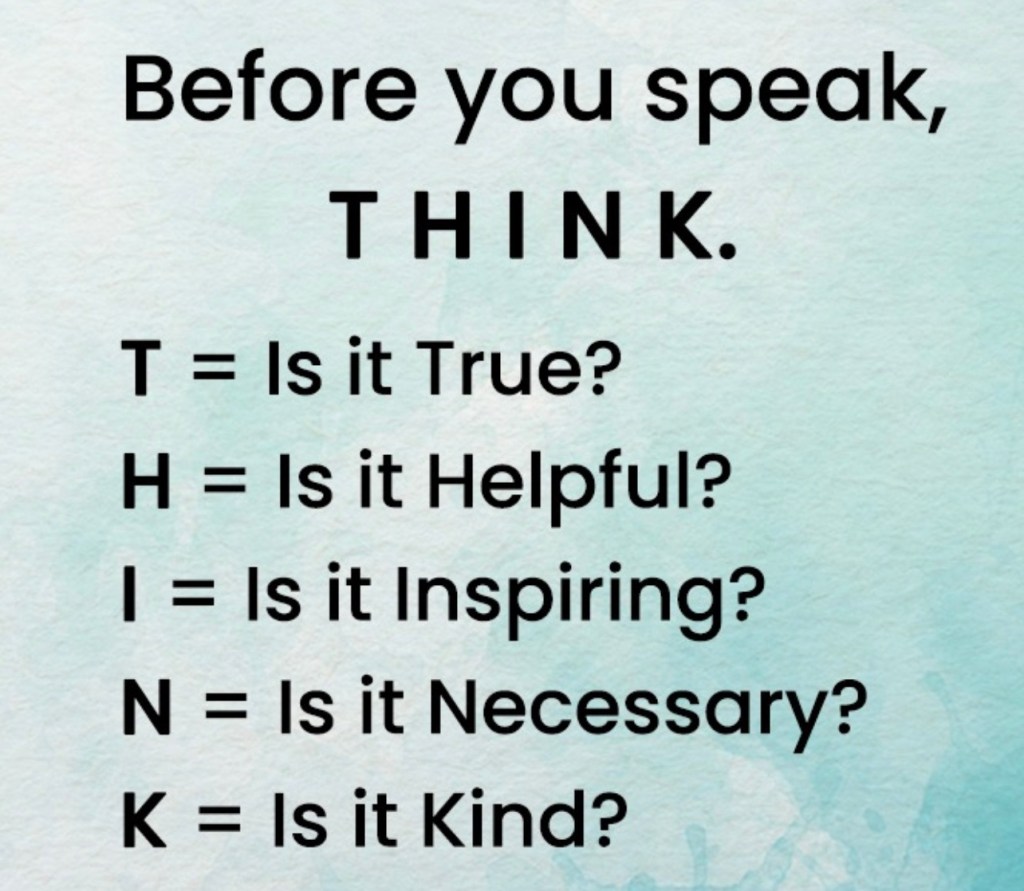
In the midst of debates, disagreements, and differing opinions, cultivating inner peace becomes an invaluable tool for fostering constructive conversations. When we approach dialogues with a calm and centered mindset, we open the door to productive discussions, mutual understanding, and positive outcomes.

The Role of Inner Peace

Inner peace is a state of emotional and mental calmness, regardless of external circumstances. It’s the ability to remain composed, empathetic, and open-minded even in the face of challenging conversations. Recognizing its importance in constructive discussions is the first step towards meaningful communication.

Action Step: Take a moment to practice a brief mindfulness exercise. Focus on your breath and let go of any immediate tensions or worries. This can be a powerful way to cultivate inner peace before engaging in a conversation.

Active Listening and Empathy

Constructive conversations require active listening and empathy. When we cultivate inner peace, we’re better equipped to genuinely listen to others without immediately formulating our responses. This allows us to understand their perspectives and respond with empathy.

Reflection: Think about a recent conversation where you actively listened and empathized with the other person. How did it impact the quality of the dialogue?

Managing Emotional Reactions

Inner peace acts as a buffer against emotional reactions that can derail conversations. It empowers us to acknowledge our emotions without being controlled by them. By staying calm, we can express our thoughts and feelings in a constructive manner.

Practice: When faced with a potentially heated conversation, pause and take a few deep breaths. This simple act can help you manage your emotional reactions and maintain inner peace.

Finding Common Ground

Inner peace fosters a mindset of seeking common ground. It encourages us to look for shared values, goals, or interests in any discussion. By focusing on what unites us, we can bridge divides and work towards mutually beneficial solutions.

Inspiration: Recall a conversation where finding common ground led to a positive outcome. How did it change the trajectory of the discussion?

The Art of Diplomacy

Constructive conversations often require a degree of diplomacy. Inner peace enables us to approach discussions with a diplomatic spirit, emphasizing respect and courtesy. It’s a skill that can turn potential conflicts into opportunities for collaboration.

Sharing: Share your experiences of cultivating inner peace for constructive conversations with others. Encourage them to explore these practices in their own dialogues.

Cultivating a Culture of Constructive Conversations

In summary, cultivating inner peace is a powerful catalyst for constructive conversations. It allows us to approach discussions with a calm and empathetic mindset, manage emotional reactions, seek common ground, and practice diplomacy. By fostering a culture of inner peace in our conversations, we can create a world where meaningful dialogue leads to positive change.

Embracing Differences:

Building Peaceful Coexistence

In a world as diverse as ours, the mission of connection with differences is a powerful call to action. It’s a reminder that, amidst the myriad of lifestyles, beliefs, and perspectives, there’s ample room for us to live together in peace. When we pause to reflect, we often find that many disagreements stem from different ways of thinking that, if they do no harm to humanity, need not lead to conflict.

The Beauty of Diversity

Diversity is one of humanity’s greatest strengths. It enriches our world with a tapestry of cultures, traditions, and viewpoints. Every individual brings their unique perspective, and it’s this diversity that allows us to learn, grow, and evolve.

Action Step: Take a moment to celebrate the diversity around you. Reflect on the richness it adds to your life and your community.

The Importance of Tolerance

Tolerance is a cornerstone of peaceful coexistence. It’s the recognition that, even when we don’t share the same beliefs or choices, we can respect each other’s right to hold those beliefs. Tolerance doesn’t mean agreement; it means understanding and acceptance.

Reflection: Think about a situation where tolerance led to a peaceful resolution. How did it impact your perspective?

Harmless Differences

Not all differences are harmful. In fact, many differences in lifestyle, belief systems, and personal choices have no detrimental effect on humanity as a whole. Recognizing these harmless differences allows us to redirect our energy away from arguments and toward positive, constructive endeavors.

Practice: When confronted with a difference of opinion, ask yourself whether it poses any harm to humanity. If not, consider whether the argument is worth pursuing.

Fostering Understanding

Understanding is a bridge that connects people across diverse backgrounds. By seeking to understand the reasons behind different ways of thinking, we can find common ground and build connections based on shared values and aspirations.

Inspiration: Recall a time when you made an effort to understand someone with a different perspective. How did that effort lead to a more meaningful connection?

Embracing Peaceful Coexistence

In the grand tapestry of our world, there is room for all of us to live in harmony. The mission of connection with differences encourages us to embrace this truth. By recognizing that many disagreements need not lead to conflict and by practicing tolerance and understanding, we can create a more peaceful and inclusive world.

Sharing: Share this message of embracing differences and fostering peaceful coexistence with others. Encourage open dialogue and a spirit of acceptance.

A World of Peaceful Coexistence

In summary, there is beauty in our diversity, and there is room for all lifestyles and ways of thinking to peacefully coexist. By focusing on tolerance, understanding, and recognizing harmless differences, we can build bridges of connection rather than walls of division. It’s a mission that can lead to a world where humanity celebrates its diversity as a source of strength and unity.