How to Stop Negative Thoughts: A Guide to Cultivating Positivity and Inner Peace

Negative thoughts can often cloud our minds and impact our overall well-being. However, by implementing simple yet powerful techniques, we can learn to overcome these thoughts and cultivate a more positive mindset. In this article, we’ll explore effective strategies to stop negative thoughts and foster a sense of inner peace and positivity.

  1. Change Your Brain Waves with Breathing Techniques: Spending just 10 minutes a day practicing breathing exercises can have a profound effect on your brain waves and overall mental state. One effective breathing technique is the 6-3-9 sequence, where you inhale for 6 seconds, hold your breath for 3 seconds, and exhale for 9 seconds. This rhythmic breathing pattern helps calm the mind, reduce stress, and shift your focus away from negative thoughts.
  2. Visualize Positive Situations: Our brains often struggle to distinguish between reality and imagination. By visualizing positive situations or outcomes, we can trick our minds into experiencing feelings of joy and contentment. Whenever a negative thought arises, take a moment to visualize a scenario that brings you happiness and peace. Whether it’s picturing yourself achieving a goal or spending time in a serene environment, visualizing positivity can help counteract negative thinking patterns.
  3. Challenge Negative Thoughts: When negative thoughts arise, challenge them by saying “not true.” This simple affirmation serves as a reminder that negative thoughts are often distorted perceptions of reality. By acknowledging their falsehood, you can weaken their hold on your mind and shift your focus towards more constructive thinking.
  4. Establish New Thought Patterns: To break free from negative thinking habits, introduce new routines into your thought process. Engage in daily reflection, recite positive affirmations, or practice meditation to cultivate a more optimistic outlook on life. By consistently reinforcing positive thoughts and behaviors, you can rewire your brain and create a more positive mindset.
  5. Visualize Thought Transformation: When confronted with a negative thought, visualize it shrinking in your mind’s eye until it completely disappears. Imagine the negative energy dissipating and being replaced by feelings of peace and tranquility. This visualization technique empowers you to take control of your thoughts and cultivate a sense of inner harmony.

Negative thoughts are a natural part of the human experience, but they don’t have to define our reality. By implementing these strategies, you can stop negative thoughts in their tracks and cultivate a more positive and fulfilling life. Remember, change takes time and practice, so be patient with yourself as you embark on this journey towards inner peace and positivity.


Manifesting Our Best Lives: A Journey of Self-Realization

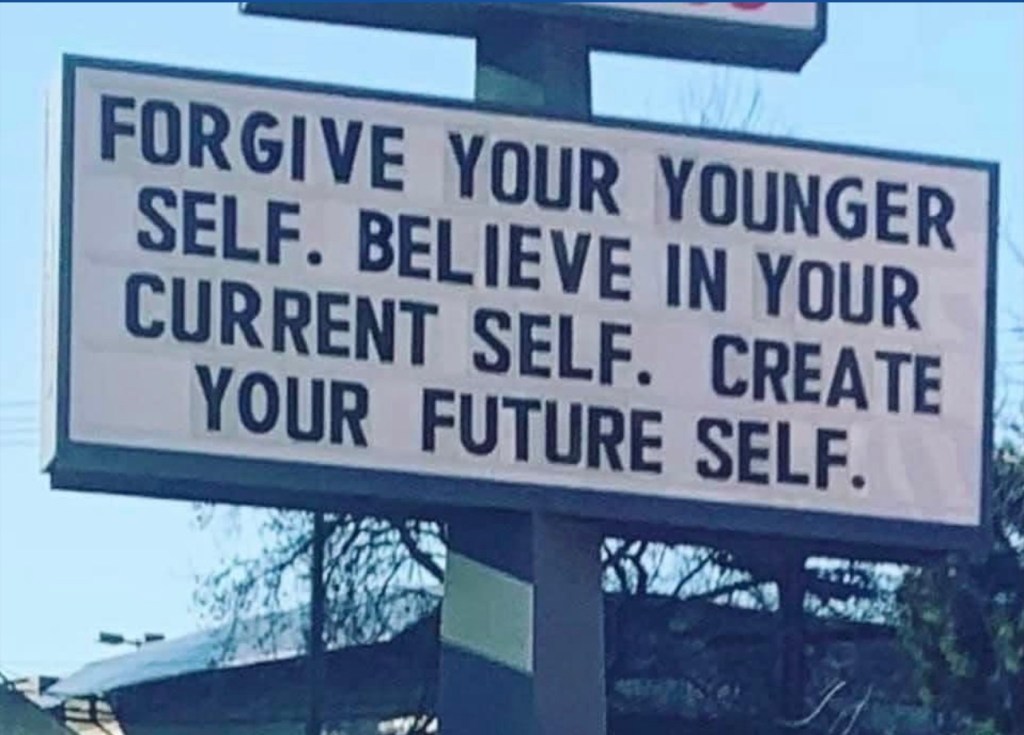
In the depths of despair, I found my greatest awakening. Each time I hit rock bottom, it became a pivotal turning point. I realized that I deserved better, and the key to unlocking my potential lay in the choices I made. Life, I discovered, isn’t about deserving suffering; it’s a mental game, a journey of growth through adversity.

There was a time when I believed in the illusion of perfection, only to realize that life is an ebb and flow of emotions, a constant evolution. Contentment often gives way to a restless search for more, leading us to confront our past, embrace our present, and shape our future. We are the architects of our reality, creating through adversity and learning through experience.

Living in a world of abundance, we are often consumed by self-greed and a competitive mindset. But by shedding labels and relinquishing the constructs of our beliefs, we can liberate ourselves from limitations and flow with the rhythm of life.

I stand here today in the best state of existence I’ve ever known, a testament to the power of resilience and perseverance. I’ve faced moments of darkness, tempted to give up and even attempted to end it all, but I am here now, more grateful and blessed than ever before.

Life, I’ve come to realize, is about choices. I choose the path of pleasantness, not to judge others but to support those with open minds and a commitment to self-improvement. Together, let us manifest our best lives, embracing the journey of self-realization and empowering each other along the way. For we are the creators of our destiny, and with unwavering determination, we can shape a future filled with abundance, joy, and fulfillment.

The Human Experience

“Embracing our true selves in a society that often encourages conformity can be a daunting journey. We’re taught to wear masks, to hide our vulnerabilities, and to conform to societal norms. But true liberation lies in shedding those masks and embracing our authenticity.

The human experience is a beautiful tapestry of emotions, experiences, and connections. It’s about embracing our flaws and imperfections, and finding strength in our vulnerabilities. When we allow ourselves to be vulnerable, we open the door to genuine connections and profound growth.

So let’s challenge the status quo and dare to be ourselves unapologetically. Let’s celebrate our uniqueness and honor our individuality. For it’s in our authenticity that we find true freedom and fulfillment. Together, let’s rewrite the narrative and create a world where authenticity reigns supreme. #EmbraceYourAuthenticity #BreakTheMold #LiveYourTruth

Week of Healing Lessons:

Day 1 – Self-Reflection

Lesson: Take time today to reflect on your emotions, thoughts, and actions. Notice any patterns or triggers.

Action: Journal about your reflections and identify one area of improvement.
Mission: Let’s commit to self-awareness and growth, one day at a time.

Thank you for joining us on this journey of healing and growth. Together, let’s continue to learn, evolve, and support one another. Share this message to spread the power of healing.

Journey Towards Inner Peace

Self-Reflection Sunday – Cultivating Awareness

“Let’s heal together, one day at a time…”
Lesson: Take time for self-reflection to gain insight into your thoughts, emotions, and behaviors. Self-awareness is the foundation for personal growth and transformation.

Action: Set aside quiet time for self-reflection and journaling. Ask yourself reflective questions such as “What am I grateful for?” and “What lessons have I learned this week?” Use this time to celebrate your progress and set intentions for the week ahead.

Thank you for joining me on this journey of healing and growth. Let’s continue to support each other as we navigate our individual paths towards well-being. Share your experiences and insights with others, and together, let’s create a community of healing and transformation.

Rethinking Sorry: Breaking the Habit of Over-Apologizing

Apologizing is a fundamental aspect of human interaction, serving as a way to acknowledge mistakes, express remorse, and repair relationships. However, in today’s society, the word “sorry” has become overused and often used in situations where it may not be necessary or appropriate. In this article, we’ll explore why we rely on apologies so frequently, offer exercises to help break the habit of over-apologizing, and provide alternative ways to express ourselves effectively.

Why Do We Apologize So Much?

  1. Social Conditioning: From a young age, we’re taught that saying “sorry” is polite and demonstrates empathy. As a result, many of us default to apologizing even when we haven’t done anything wrong.
  2. Fear of Conflict: Apologizing can be a way to diffuse tension or avoid confrontation in social situations. We may apologize to smooth over disagreements or maintain harmony in relationships.
  3. Cultural Norms: In some cultures, apologizing is deeply ingrained as a sign of respect or humility, leading individuals to apologize more frequently than necessary.

Exercises to Break the Habit of Over-Apologizing:

  1. Mindfulness Practice: Pay attention to your speech patterns and notice how often you use the word “sorry” throughout the day. Keep a journal to track instances of over-apologizing and reflect on the underlying reasons behind each apology.
  2. Pause and Reflect: Before automatically saying “sorry,” pause for a moment and consider whether your apology is warranted. Ask yourself if you genuinely feel remorseful for your actions or if you’re apologizing out of habit or social pressure.
  3. Practice Assertiveness: Instead of apologizing unnecessarily, practice assertive communication by expressing your thoughts and feelings directly. Use “I” statements to take ownership of your emotions without resorting to apologies.
  4. Offer Gratitude Instead: Replace apologies with expressions of gratitude or appreciation. For example, instead of saying “sorry for venting,” you could say “thank you for listening.” This shifts the focus from negativity to gratitude and strengthens connections with others.

Accepting Responsibility Without Apologizing: It’s important to distinguish between taking responsibility for our actions and apologizing excessively. While it’s crucial to acknowledge when we’ve made mistakes and take steps to make amends, not every action requires an apology. Instead, focus on accepting responsibility by:

  • Offering a sincere explanation or clarification of your actions.
  • Expressing empathy and understanding towards others’ feelings.
  • Taking proactive steps to rectify the situation or prevent similar mistakes in the future.

Breaking the habit of over-apologizing requires mindfulness, self-awareness, and assertive communication. By recognizing the underlying reasons behind our apologies, practicing alternative expressions, and accepting responsibility without excessive apologies, we can foster healthier relationships and communication patterns. Let’s strive to use apologies thoughtfully and authentically, and reserve them for situations where they truly serve a purpose in repairing harm and fostering understanding.

Breaking Free: A Journey to Inner Peace and Authenticity

In the tapestry of life, woven with emotions and experiences, I’ve embarked on a journey of self-discovery and healing—a journey that has led me to uncover the profound truth of my existence as a spirit of love inhabiting this human vessel.

Growing up in a society that often overlooked the essence of humanity, I found myself navigating the complexities of relationships and emotions without a roadmap. While textbooks dictated what I needed to do, no one took the time to explain why I felt the way I did or why my parents struggled in their relationship. It was as though the intricacies of human experience were shrouded in silence, leaving me to unravel the mysteries on my own.

Through introspection and reflection, I’ve come to understand the delicate dance of relationships—the challenge of staying true to oneself while also being authentic in our interactions with others. I’ve witnessed the prevalence of codependency and the tendency to mask true feelings in order to avoid confrontation or conflict.

But I refuse to succumb to the status quo of unhealthy dynamics. Instead, I choose to confront the layers of emotional walls I’ve built around myself, brick by brick. I acknowledge the anger and frustration that once consumed me, stemming from a lack of understanding and the inability to express myself authentically.

In breaking free from these self-imposed constraints, I’ve come to realize that everything—my suffering, my anxiety, my choices—is a creation of my own making. And with this realization comes the empowering understanding that I have the power to choose a different path.

I no longer seek validation from external sources or mold myself to fit into society’s expectations. Instead, I embrace my true essence as a loving human being, committed to living a life of peace and authenticity.

As I continue on this journey, I share my experiences and insights with others who may be walking a similar path. I challenge the easy answers and fake leaders that seek to diminish our humanity, and I advocate for critical thinking and self-discovery as the keys to true liberation.

Together, let us break free from the constraints of our past and forge a new path—one guided by love, compassion, and the pursuit of inner peace. For in embracing our true selves, we pave the way for a humanity united in harmony and understanding.

Journey Towards Inner Peace

Wellness Wednesday – Nurturing Self-Care

“Let’s heal together, one day at a time…”

Lesson: Prioritize self-care to nourish your mind, body, and spirit. Self-care is essential for maintaining balance, resilience, and overall well-being.

Action: Create a self-care plan for the day, including activities that bring you joy, relaxation, and fulfillment. Practice self-compassion and give yourself permission to prioritize your needs.

Thank you for joining me on this journey of healing and growth. Let’s continue to support each other as we navigate our individual paths towards well-being. Share your experiences and insights with others, and together, let’s create a community of healing and transformation.

Finding Inner Peace: Navigating the Turmoil of Modern Society

In the chaotic whirlwind of modern life, finding inner peace can seem like an elusive goal. Yet, as I’ve embarked on my own journey of self-discovery and liberation, I’ve come to realize that true peace comes from within—a realization that has transformed the way I navigate the challenges of daily existence.

In a world saturated with information and stimuli, our minds can easily become overwhelmed and fragmented. From the constant barrage of media messages to the pressures of social expectations, it’s easy to lose sight of our own inner truth amidst the noise.

But through introspection and self-awareness, I’ve come to understand that everything we experience—both externally and internally—is a reflection of our own perception. The visuals we see, the feelings we navigate, and the energy we emit all originate from within ourselves.

This understanding has led me to recognize the importance of setting boundaries in order to safeguard my well-being. By cultivating positive energy through exercise, healthy eating, and nourishing my mind with uplifting literature, I’ve learned to create a sanctuary of peace within myself.

My journey has been one of contrasts, from moments of abundance to periods of scarcity, from material wealth to spiritual emptiness. Yet, it was through this rollercoaster of experiences that I discovered the true source of fulfillment lies within.

Educators and mentors showed me the way out of suffering and misery was not through external acquisitions, but through inner transformation. By acknowledging my own limitations and embracing a mindset of continual learning, I opened myself up to a new way of being.

One of the most profound shifts in my perspective came from learning to refrain from judging others based on surface-level actions. I realized that each person is navigating their own journey, and it is not my place to pass judgment on what I cannot fully understand.

Instead, I choose to support those who are committed to growth and self-awareness, while also prioritizing my own well-being and setting boundaries against mistreatment.

As I continue on this path of self-discovery and healing, I invite others to join me in embracing the power of inner peace. Let us support one another, let us grow together, and let us heal together—one day at a time. For we are all deserving of love, compassion, and the opportunity to live our best lives.

Journey Towards Inner Peace

Day 2: Transformation Tuesday – Embracing Change

“Let’s heal together, one day at a time…”

Lesson: Embrace change as an opportunity for growth and transformation. Recognize that change is inevitable and can lead to new possibilities and experiences.

Action: Identify one area of your life where you resist change. Reflect on why you resist and the potential benefits of embracing change. Take a small step towards accepting and adapting to this change.

Thank you for joining me on this journey of healing and growth. Let’s continue to support each other as we navigate our individual paths towards well-being. Share your experiences and insights with others, and together, let’s create a community of healing and transformation.