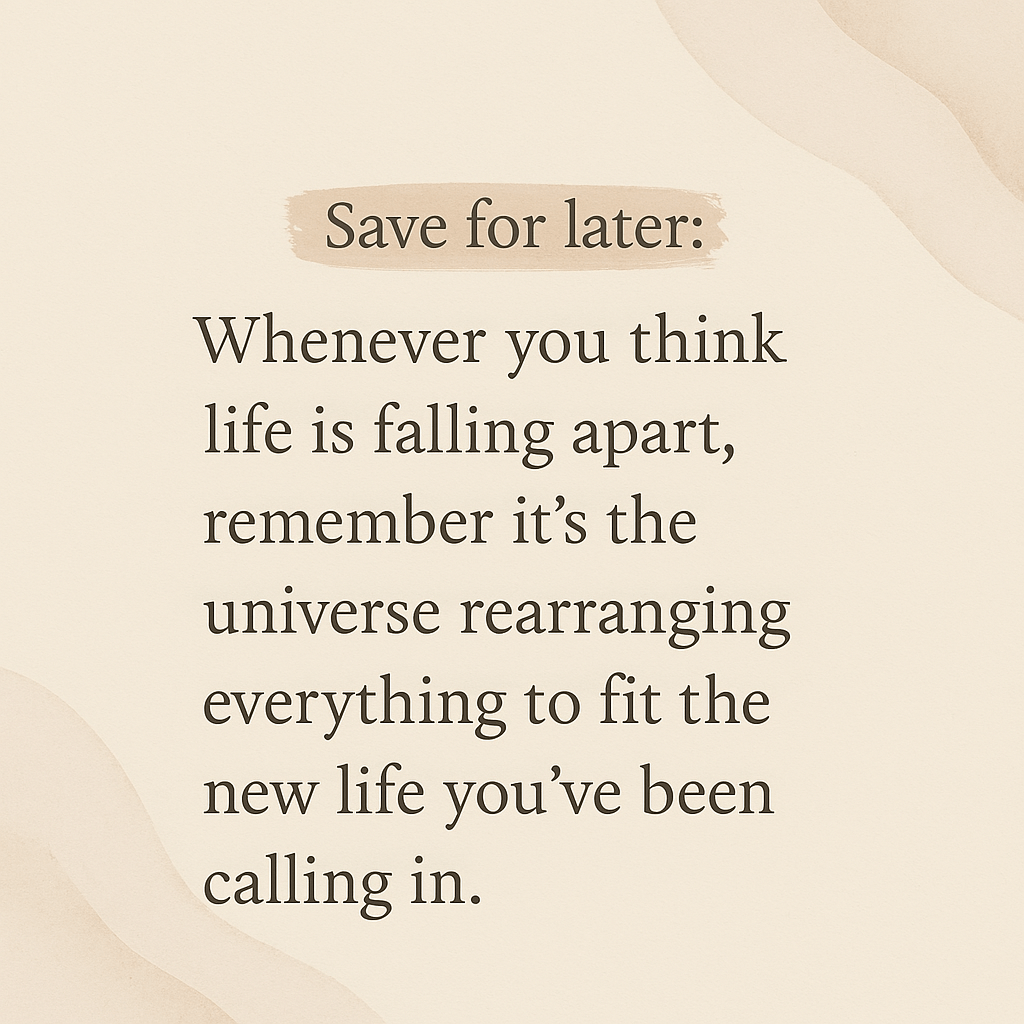
Life has a way of testing us in ways we never expected—sudden endings, breakdowns, confusion, and moments that feel unbearable. In these times, it’s natural to feel like everything is falling apart. But what if it’s not?
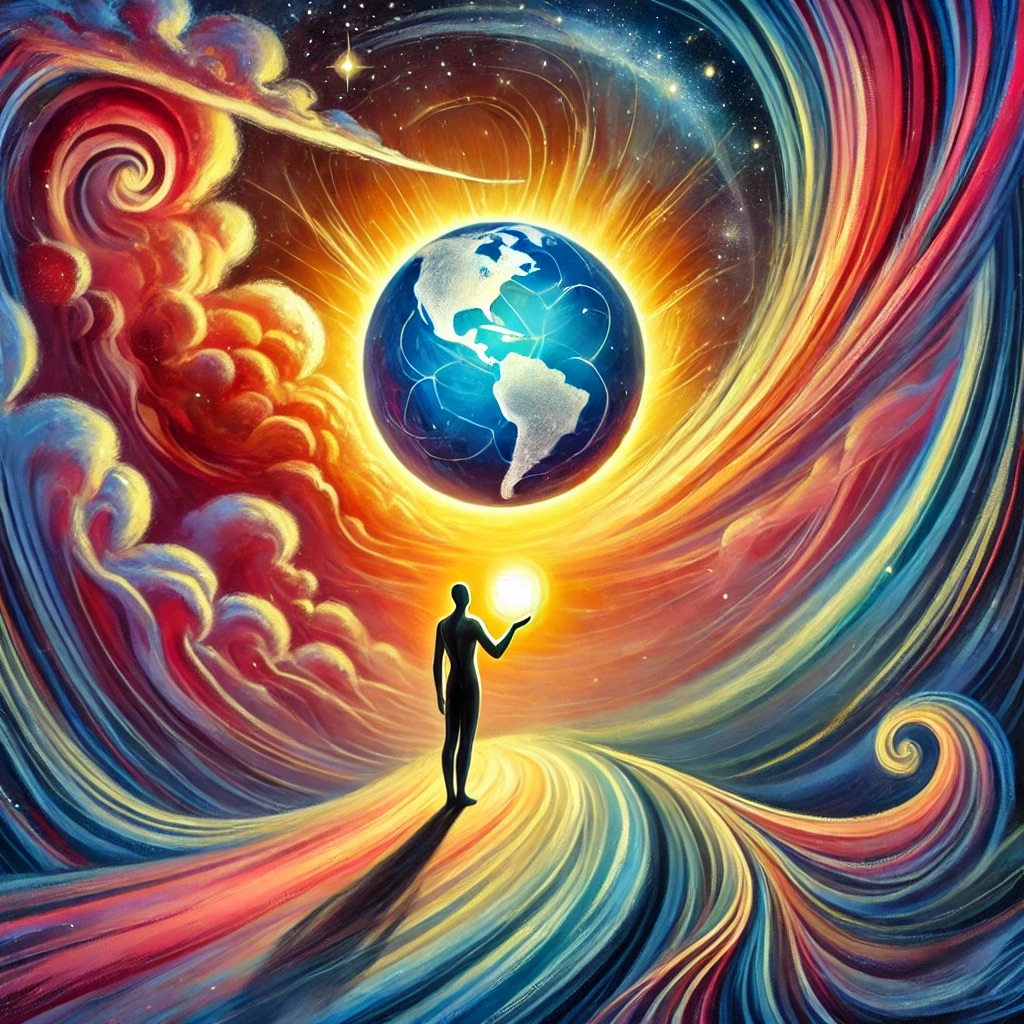
What if what feels like destruction is actually construction? What if the chaos is the universe quietly rearranging the pieces of your life to make room for something greater?
This idea shifts everything.
The Breakdown Before the Breakthrough
Often, when we set intentions for a better life—whether it’s peace, clarity, abundance, or freedom—we assume it will arrive smoothly. But the truth is, in order for something new to be built, something old must be cleared. That relationship ending? That job falling through? That identity breaking down? It may feel like you’re losing everything, but you’re actually shedding what no longer fits who you’re becoming.
Growth requires space. And sometimes, the universe clears what you thought you needed to give you what you truly need.
You Are Not Being Punished—You Are Being Prepared
This is not punishment. This is alignment. It’s the divine intelligence of life reordering your reality to match the vibration of the life you’ve been asking for.
When you feel like you’re losing control, remember: You are being redirected, not rejected. You are being refined, not ruined. You are being realigned, not abandoned.
The Power of Trusting the Process
This doesn’t mean you won’t feel pain, grief, or confusion. But it means you can walk through it with trust.
Trust that every breakdown has within it the seed of a breakthrough. Trust that your soul knows what it asked for, even if your mind doesn’t understand the process. Trust that what is coming is worth what is leaving.
Let This Be Your Reminder
The next time it feels like life is falling apart, pause. Breathe. And gently remind yourself: “The universe is rearranging everything to fit the new life I’ve been calling in.”
You are not lost. You are being guided.
Let go with grace. Make space with courage. And open your heart to receive the life that’s already making its way to you.
What Alcohol Does to the Body When you drink alcohol, your body recognizes it as a toxin and works to break it down and eliminate it. The liver does most of this work by converting alcohol (ethanol) into acetaldehyde—a highly toxic and carcinogenic compound—and then into acetate, which your body can use for energy or excrete.
List of Ways Alcohol Harms the Body
Brain & Nervous System •Impairs judgment, coordination, and memory. •Alters mood, increases anxiety, and can l<ead to depression. •Long-term use can cause brain shrinkage and cognitive decline.
Liver •Causes fat buildup (fatty liver), inflammation (hepatitis), and scarring (cirrhosis). •Overworks the liver, leading to liver disease and failure over time.
Heart •Increases blood pressure and risk of stroke and heart disease. •Weakens the heart muscle (cardiomyopathy).
Immune System •Suppresses immune function, making you more vulnerable to illness.
Digestive System •Irritates the stomach lining, can lead to ulcers and gastritis. •Damages the pancreas, which affects insulin and digestion.
Hormones & Reproductive Health •Disrupts hormone balance. •Lowers testosterone and fertility in men, disrupts cycles in women.
Cancer Risk •Classified as a Group 1 carcinogen by the WHO (same as tobacco). •Increases the risk of mouth, throat, esophagus, liver, breast, and colon cancers.
Mental & Emotional Health •Often used to numb emotions, but increases emotional instability, dependency, and shame.
Linked to addiction and substance abuse disorders.
So Why Do People Still Drink It If It’s So Toxic?
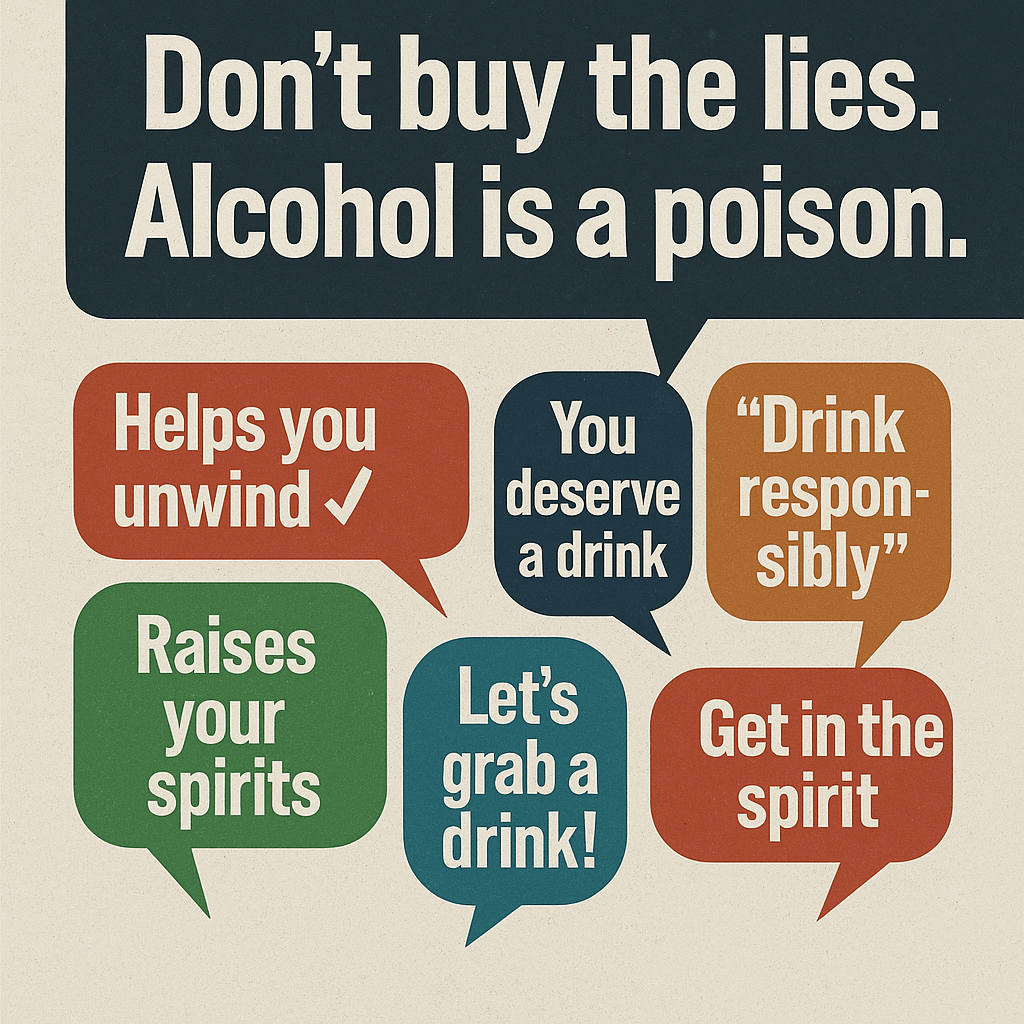
•Social Conditioning From a young age, alcohol is associated with fun, celebration, confidence, and belonging. It’s deeply embedded in media, advertising, and culture.
•Temporary Emotional Relief It numbs emotional pain, anxiety, or stress temporarily—creating an illusion of relief. People use it to escape discomfort rather than face the root cause.
•Addiction & Habit Alcohol is addictive. Once the brain forms the habit loop of drinking = pleasure or relief, it becomes hard to break. Over time, tolerance builds, and more is needed to feel the same effect.
•Peer Pressure & Acceptance People fear judgment, rejection, or feeling “boring” if they choose not to drink.
•Lack of Awareness Many people don’t realize the full extent of the damage alcohol causes—especially because it’s legal and normalized.
In Summary: Yes, alcohol is a toxin that negatively affects nearly every system in the body. While it provides temporary emotional escape, the long-term consequences are physical, emotional, and psychological. Awareness is the first step. Choosing sobriety is not weakness—it’s self-respect.
Many diseases caused by alcohol are either ignored, minimized, or rationalized by people who continue to drink—often due to denial, addiction, or cultural normalization.
Here’s a clear list of common alcohol-related diseases and the excuses people often use to justify drinking despite the known risks:
Liver Disease Conditions: Fatty liver, alcoholic hepatitis, cirrhosis, liver failure Common Excuses: “I don’t drink every day, so I’m fine.” “It’s just social drinking—it won’t hurt me.”
Heart Disease Conditions: High blood pressure, stroke, irregular heartbeat, cardiomyopathy Common Excuses: “Red wine is good for your heart.” “It helps me relax—stress is worse for the heart.”
Cancer Types: Mouth, throat, esophagus, liver, colon, breast cancer (especially in women) Common Excuses: “Everything causes cancer.” “It’s not like I’m smoking.” “I’ll quit later—right now I’m enjoying life.”
Mental Health Disorders Conditions: Depression, anxiety, mood swings, psychosis, suicidal thoughts Common Excuses: “It helps me cope with my stress.” “Everyone drinks when they’re going through something.” “I’m more fun and social with a drink.”
Brain Damage & Cognitive Decline Conditions: Memory loss, blackouts, early dementia Common Excuses: “I don’t get that drunk.” “I need it to sleep or think clearly.”
Pancreatitis Condition: Inflammation of the pancreas, which can become life-threatening Common Excuse: “I’ve always had a strong stomach—it doesn’t affect me like that.”
Immune Suppression Result: More frequent illness, slow healing, chronic inflammation Common Excuses: “I take vitamins—I’m healthy.” “I never get sick anyway.”
Alcohol Use Disorder (Addiction) Condition: Physical and emotional dependency on alcohol
Common Excuses: “I can stop anytime I want.” “I don’t have a problem—I’m just blowing off steam.” “At least I’m not doing drugs.” Why People Ignore the Damage: Denial and social normalization Fear of facing emotions without alcohol Lack of education on the full impact Cultural reinforcement and peer pressure
Truth: Just because something is legal and common doesn’t mean it’s safe. Alcohol is a slow-acting poison that destroys health over time—and the diseases it causes are often ignored until it’s too late.
Every person we encounter on our journey carries a purpose—whether it’s to teach us, challenge us, support us, or even reflect parts of ourselves we haven’t yet seen. This timeless understanding—that people enter our lives for a reason, a season, or a lifetime—is one of the most liberating and powerful truths we can embrace.
For a Reason
Some individuals cross our path to help us grow, learn a lesson, or awaken something within us. These connections may be brief, but they leave a lasting impact. They serve a purpose—to help us shift perspective, heal, or take a step we may not have otherwise taken.
For a Season
Others are with us for a phase of life—a chapter. They walk beside us through certain experiences, offering companionship, challenge, or comfort during that time. When the season changes, the connection may fade. This can be painful, but it doesn’t mean the relationship wasn’t meaningful. It simply served its role in that moment of your evolution.
For a Lifetime
And then, there are those rare souls who stay. These are the lifelong connections, built on depth, trust, and authenticity. They grow with us, witness our transformations, and remain a steady presence through life’s highs and lows.
When we truly understand and accept this, we stop forcing relationships to last forever. We stop clinging out of fear or loss and begin honoring the purpose each person serves. Life becomes less about holding on and more about flowing with what is.
By recognizing the role someone plays—whether temporary or lasting—we free ourselves from unrealistic expectations and unnecessary pain. We open our hearts to gratitude rather than resentment, and in doing so, we invite deeper peace and presence into our lives.
Let go with grace. Hold on with love. And trust the timing of every soul that enters your path.
Have you ever wondered what your emotions are truly trying to tell you? Each feeling we experience has a deeper message rooted in our past learning, experiences, and how we’ve been conditioned by our environments. Understanding these meanings can significantly improve our well-being and emotional health.
Consider these common emotions:
Depression: Often represents hidden anger, unresolved feelings, or internalized pain that hasn’t been expressed or acknowledged.
Anxiety: Serves as an alert, signaling unmet needs or aspects of your life that require attention.
Jealousy: Highlights what you genuinely desire and perhaps haven’t pursued or embraced fully.
Resentment: Indicates that personal boundaries have been crossed or violated.
Bitterness: Arises from holding back forgiveness, both towards others and yourself.
Anger: Suggests that it’s time to initiate change in areas of your life causing distress.
Shame: Reflects allowing others to define who you should be instead of embracing your authentic self.
Guilt: Shows you’ve allowed others to dictate your actions and define your path, rather than following your inner truth.
Sadness: Points towards something you deeply love or care about being out of alignment.
Disappointment: Means you’ve genuinely tried and put in effort; it’s an acknowledgment of your investment and care.
Insomnia: Often reveals internal conflicts between your core beliefs and external actions or expectations.
All these emotions stem from how we’ve been programmed—what we learned growing up, from society, and from past relationships and experiences. The path to inner peace and emotional balance involves recognizing these emotions, understanding their deeper messages, and taking intentional steps toward healing and growth.
Rewiring our way of thinking takes time, effort, and patience. It involves self-reflection, openness to change, and a commitment to consistently shifting our mindset and emotional responses. Through awareness and mindfulness, we can transform these emotional signals into powerful guides toward a balanced, peaceful, and authentic life.
Remember, your emotions are not your enemies; they are valuable teachers. Embrace their wisdom, understand their meaning, and move toward the harmony and balance you deserve.
Our emotions deeply influence how we experience life. Understanding how emotions operate through our nervous system helps us manage our responses, achieve clarity, and live authentically in the present.
1. What Are Emotions?
Emotions are natural responses that help us interpret and respond to our environment. They guide our actions, choices, and interactions.
Core Emotions:
Happiness
Sadness
Fear
Anger
Surprise
Disgust
Complex Emotions:
Love
Guilt
Shame
Envy
Pride
Hope
2. Emotions as Tools
Think of emotions as tools or signals:
Awareness: Emotions highlight our internal state.
Decision-making: They help us choose authentically.
Growth: They identify areas needing healing.
Connection: They facilitate empathy and relationships.
3. Role of the Nervous System
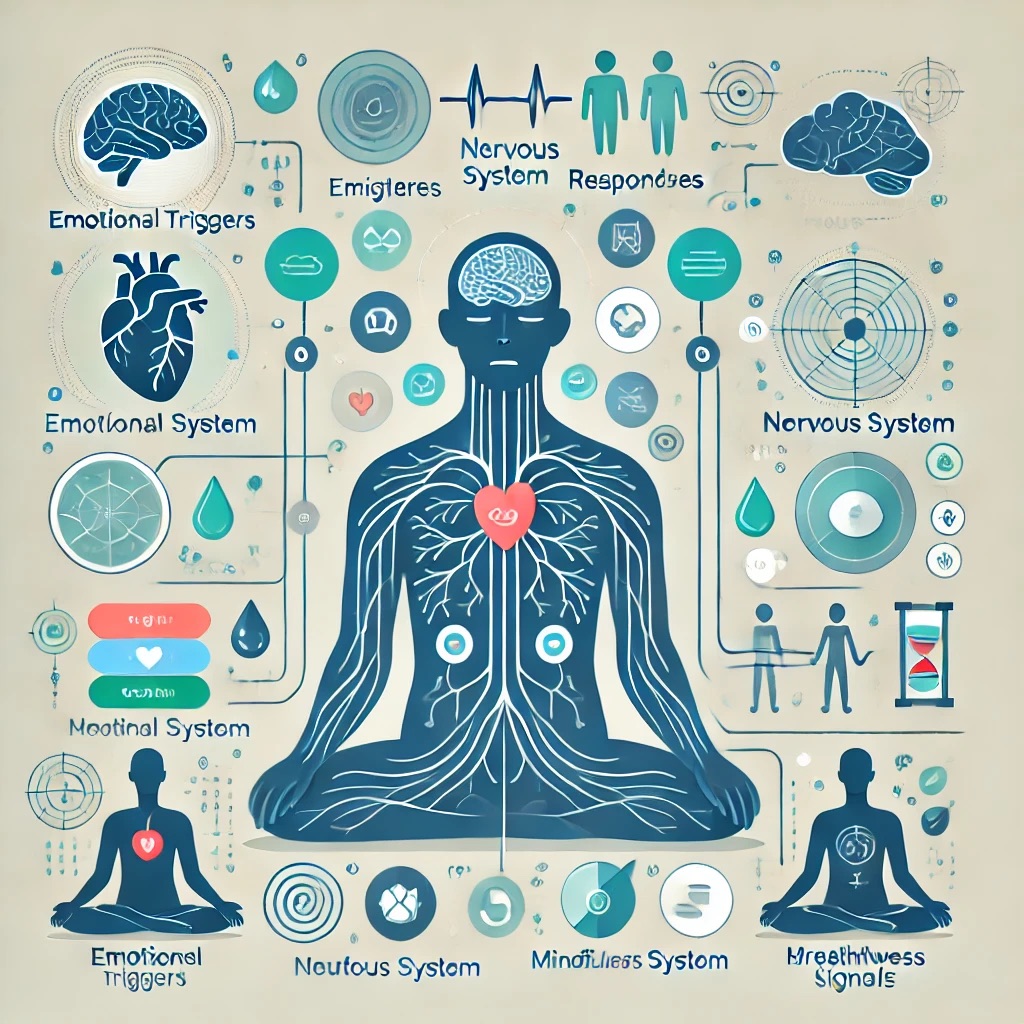
Our nervous system acts as a bridge, linking past emotional experiences to our current reactions.
Process of Emotional Response:
Trigger: An event similar to a past unresolved emotional experience occurs.
Response: The nervous system automatically recalls past feelings and activates emotional reactions.
Perception: The present moment is perceived through the lens of past emotions, clouding true clarity.
Simplified Chart: Emotional Response Cycle
4. Emotional Regulation and Attachments
Emotional regulation involves recognizing when your reactions stem from unresolved attachments to past experiences.
Attachments: Unresolved emotions stored as memories in the nervous system.
Triggers: Current events that resemble past emotional experiences, activating old emotions.
Simplified Chart: Emotional Regulation Flow
5. Techniques for Healthy Emotional Regulation
Mindfulness: Stay aware of present emotions without immediate reaction.
Journaling: Identify and process emotional patterns.
Grounding Exercises: Brings attention to the present, reducing emotional overwhelm.
Conclusion
Understanding the connection between emotions and our nervous system equips us with the tools to navigate life’s complexities consciously and calmly. Emotions, when properly understood and managed, become powerful allies in our journey toward personal growth, clarity, and authentic living
“Happy Friday! One of the biggest manifestation blocks is attachment to how things should unfold. When we let go of control, we allow magic to happen.”
Activity: “Write down something you’ve been forcing to happen. Now release it by saying: ‘I trust that the universe is orchestrating the perfect way for this to manifest.’ Let go and watch what unfolds.”
Quote: “Surrender to what is. Let go of what was. Have faith in what will be.” – Sonia Ricotti
Call to Action: “How do you practice surrender while manifesting? Let’s share and learn from each other!”
“Hello! Thoughts create blueprints, but emotions give them energy. If you don’t feel aligned with what you desire, it won’t manifest fully. Today is about feeling the reality you want.”
Activity: “Pick one thing you’re manifesting. Spend two minutes visualizing it as if it has already happened. Feel the excitement, gratitude, and joy of having it. Let this emotion amplify your attraction.”
Quote: “The universe responds to your frequency, not your words. Align your energy with your desires.” – Unknown
Call to Action: “What’s one emotion you consciously generate to attract your dreams? Let’s share and uplift each other!”
“Good day! Every creation starts as a thought. What you consistently think about becomes the blueprint for your reality. To change what shows up in your life, start by shifting your mental patterns.”
Activity: “Write down one recurring thought that limits your growth. Now rewrite it into an abundant belief (e.g., ‘I never have enough’ → ‘I am always supported’). Repeat this belief throughout the day.”
Quote: “What you think, you become. What you feel, you attract. What you imagine, you create.” – Buddha
Call to Action: “Share one belief you’re reprogramming. Let’s inspire each other to manifest with intention!”
“Happy Monday! Whether you realize it or not, you are always manifesting. Every thought, emotion, and action is shaping your reality. The question is: are you doing it intentionally or by default?”
Activity: “Today, take note of three things you’ve recently attracted into your life—good or bad. Ask yourself: ‘Was I consciously directing my energy, or did this happen by habit?’ Begin shifting your focus to what you truly want.”
Quote: “Once you make a decision, the universe conspires to make it happen.” – Ralph Waldo Emerson
Call to Action: “What’s one thing you’ve unconsciously manifested? Let’s bring awareness to the power of creation!”


 NO LABELS JUST HUMAN