What Alcohol Does to the Body
When you drink alcohol, your body recognizes it as a toxin and works to break it down and eliminate it. The liver does most of this work by converting alcohol (ethanol) into acetaldehyde—a highly toxic and carcinogenic compound—and then into acetate, which your body can use for energy or excrete.
List of Ways Alcohol Harms the Body
Brain & Nervous System
•Impairs judgment, coordination, and memory.
•Alters mood, increases anxiety, and can l<ead to depression.
•Long-term use can cause brain shrinkage and cognitive decline.
Liver
•Causes fat buildup (fatty liver), inflammation (hepatitis), and scarring (cirrhosis).
•Overworks the liver, leading to liver disease and failure over time.
Heart
•Increases blood pressure and risk of stroke and heart disease.
•Weakens the heart muscle (cardiomyopathy).
Immune System
•Suppresses immune function, making you more vulnerable to illness.
Digestive System
•Irritates the stomach lining, can lead to ulcers and gastritis.
•Damages the pancreas, which affects insulin and digestion.
Hormones & Reproductive Health
•Disrupts hormone balance.
•Lowers testosterone and fertility in men, disrupts cycles in women.
Cancer Risk
•Classified as a Group 1 carcinogen by the WHO (same as tobacco).
•Increases the risk of mouth, throat, esophagus, liver, breast, and colon cancers.
Mental & Emotional Health
•Often used to numb emotions, but increases emotional instability, dependency, and shame.
Linked to addiction and substance abuse disorders.
So Why Do People Still Drink It If It’s So Toxic?
•Social Conditioning
From a young age, alcohol is associated with fun, celebration, confidence, and belonging.
It’s deeply embedded in media, advertising, and culture.
•Temporary Emotional Relief
It numbs emotional pain, anxiety, or stress temporarily—creating an illusion of relief.
People use it to escape discomfort rather than face the root cause.
•Addiction & Habit
Alcohol is addictive. Once the brain forms the habit loop of drinking = pleasure or relief, it becomes hard to break.
Over time, tolerance builds, and more is needed to feel the same effect.
•Peer Pressure & Acceptance
People fear judgment, rejection, or feeling “boring” if they choose not to drink.
•Lack of Awareness
Many people don’t realize the full extent of the damage alcohol causes—especially because it’s legal and normalized.
In Summary:
Yes, alcohol is a toxin that negatively affects nearly every system in the body.
While it provides temporary emotional escape, the long-term consequences are physical, emotional, and psychological.
Awareness is the first step. Choosing sobriety is not weakness—it’s self-respect.
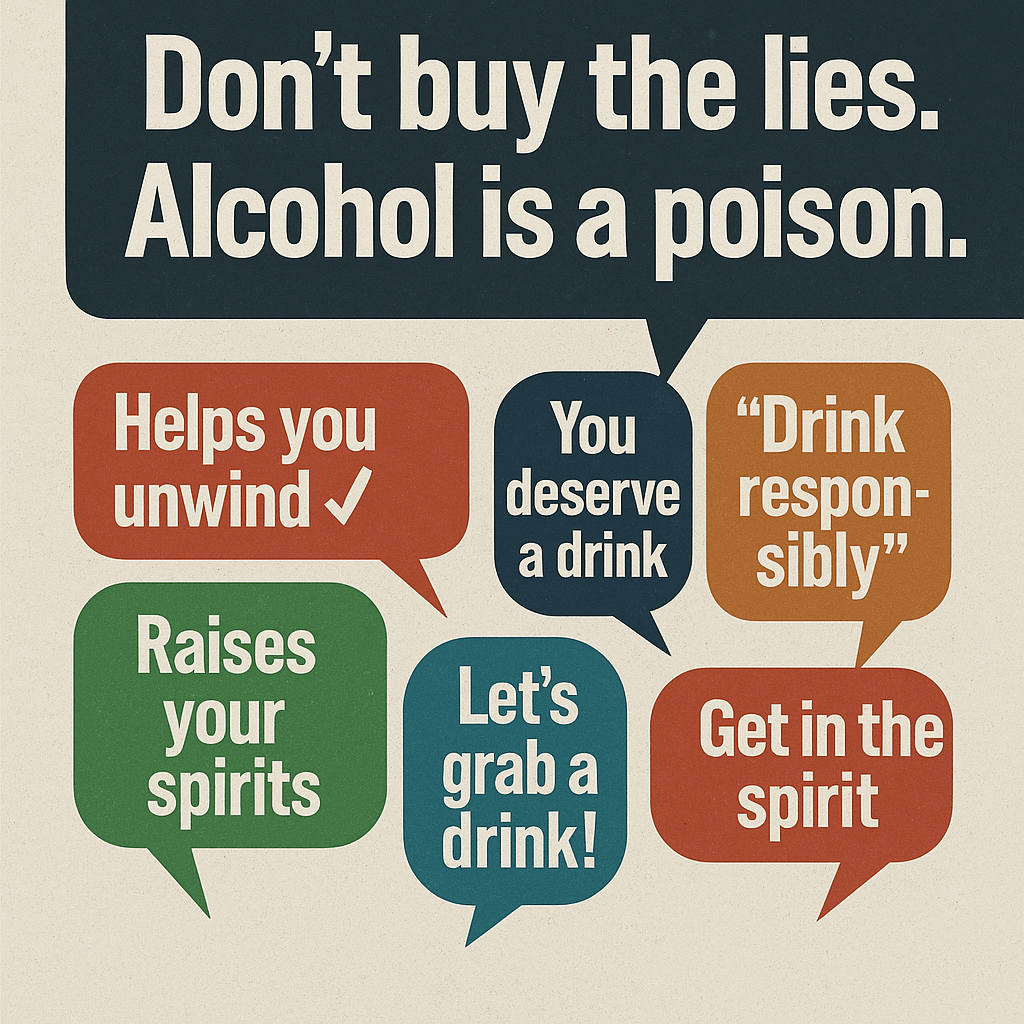
Many diseases caused by alcohol are either ignored, minimized, or rationalized by people who continue to drink—often due to denial, addiction, or cultural normalization.
Here’s a clear list of common alcohol-related diseases and the excuses people often use to justify drinking despite the known risks:
- Liver Disease
Conditions: Fatty liver, alcoholic hepatitis, cirrhosis, liver failure
Common Excuses:
“I don’t drink every day, so I’m fine.”
“It’s just social drinking—it won’t hurt me.” - Heart Disease
Conditions: High blood pressure, stroke, irregular heartbeat, cardiomyopathy
Common Excuses:
“Red wine is good for your heart.”
“It helps me relax—stress is worse for the heart.” - Cancer
Types: Mouth, throat, esophagus, liver, colon, breast cancer (especially in women)
Common Excuses:
“Everything causes cancer.”
“It’s not like I’m smoking.”
“I’ll quit later—right now I’m enjoying life.” - Mental Health Disorders
Conditions: Depression, anxiety, mood swings, psychosis, suicidal thoughts
Common Excuses:
“It helps me cope with my stress.”
“Everyone drinks when they’re going through something.”
“I’m more fun and social with a drink.” - Brain Damage & Cognitive Decline
Conditions: Memory loss, blackouts, early dementia
Common Excuses:
“I don’t get that drunk.”
“I need it to sleep or think clearly.” - Pancreatitis
Condition: Inflammation of the pancreas, which can become life-threatening
Common Excuse:
“I’ve always had a strong stomach—it doesn’t affect me like that.” - Immune Suppression
Result: More frequent illness, slow healing, chronic inflammation
Common Excuses:
“I take vitamins—I’m healthy.”
“I never get sick anyway.” - Alcohol Use Disorder (Addiction)
Condition: Physical and emotional dependency on alcohol
Common Excuses:
“I can stop anytime I want.”
“I don’t have a problem—I’m just blowing off steam.”
“At least I’m not doing drugs.”
Why People Ignore the Damage:
Denial and social normalization
Fear of facing emotions without alcohol
Lack of education on the full impact
Cultural reinforcement and peer pressure
Truth:
Just because something is legal and common doesn’t mean it’s safe. Alcohol is a slow-acting poison that destroys health over time—and the diseases it causes are often ignored until it’s too late.
 NO LABELS JUST HUMAN