Theory: The Necessity of Contrast in Human Experience
To truly understand and embrace joy, one must experience sadness. To love deeply, one must know the pain of heartbreak. To trust fully, one must first encounter betrayal. This is the duality of existence—a necessary contrast that allows us to fully perceive and appreciate life’s experiences. Without its opposite, no emotion or state of being could hold meaning.
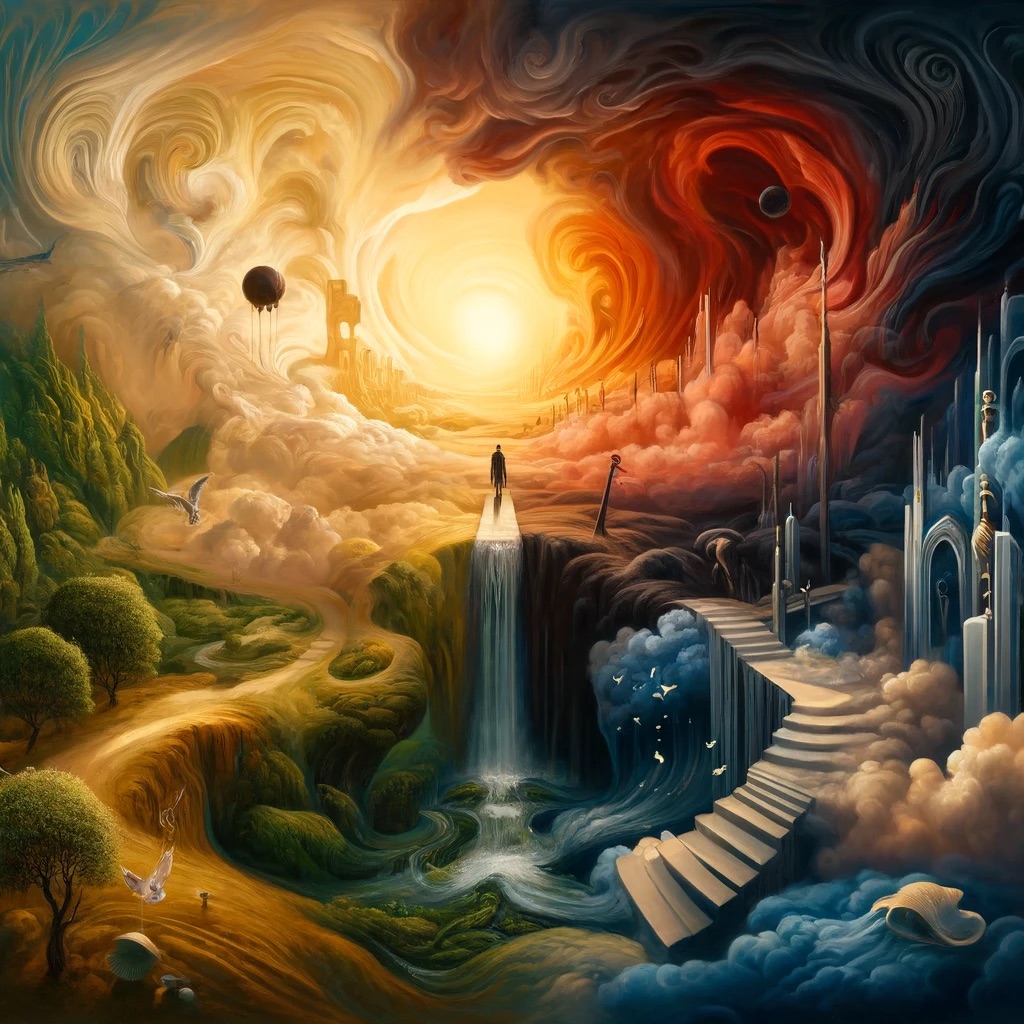
As I continue my journey through this human experience, I’ve come to see that every external interaction is a reflection of my internal state. The world I perceive is shaped by my emotions, thoughts, and reactions. While explaining this concept can sometimes feel mysterious, the essence of it is simple: every interaction serves as a mirror, revealing something within me.
Each moment presents a choice—to move forward in peace and joy or to get caught in the web of anger, resentment, and suffering. The way I interpret these experiences creates a ripple effect, influencing my environment and those around me. The more I observe human interaction, the clearer it becomes that many people carry emotional burdens yet suppress them beneath the surface, pretending they are fine while relying on external substances to offset their internal imbalance.
Understanding Reality: How Perception Shapes Our Experience
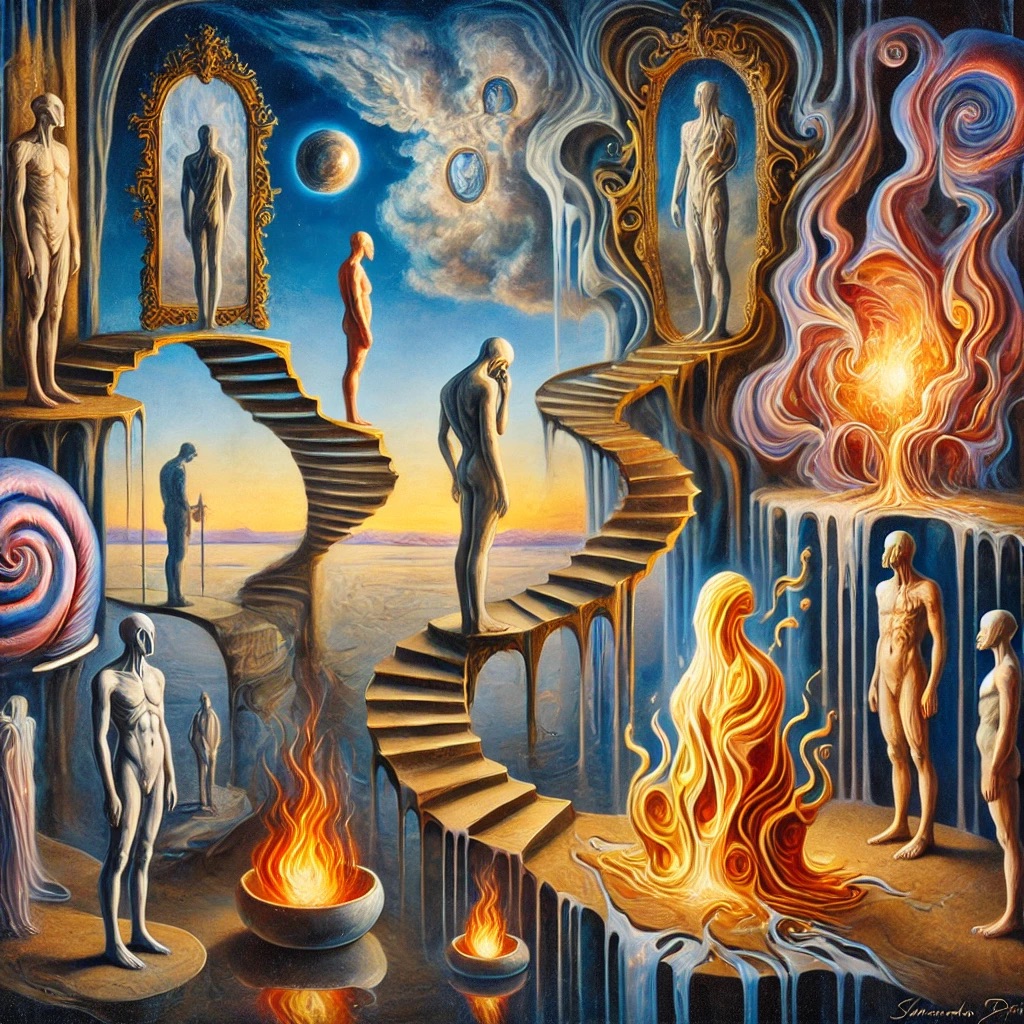
Our perception of reality is deeply personal—a construct shaped by our habits, routines, and thought patterns. Just as animals function on instinct and survival, humans do the same, but with an added layer: our interpretation of life dictates our experience.
Everything we see, feel, and react to is a reflection of our internal world. Our words and expressions shape the energy around us, influencing the environments we exist in. If reality is not simply a simulation of perception, then how do we process the infinite factors, interactions, and experiences happening simultaneously?
It all comes down to choice—the mindset we adopt and the energy we carry into each moment.
The Seven Deadly Sins: How They Manifest in Modern Society
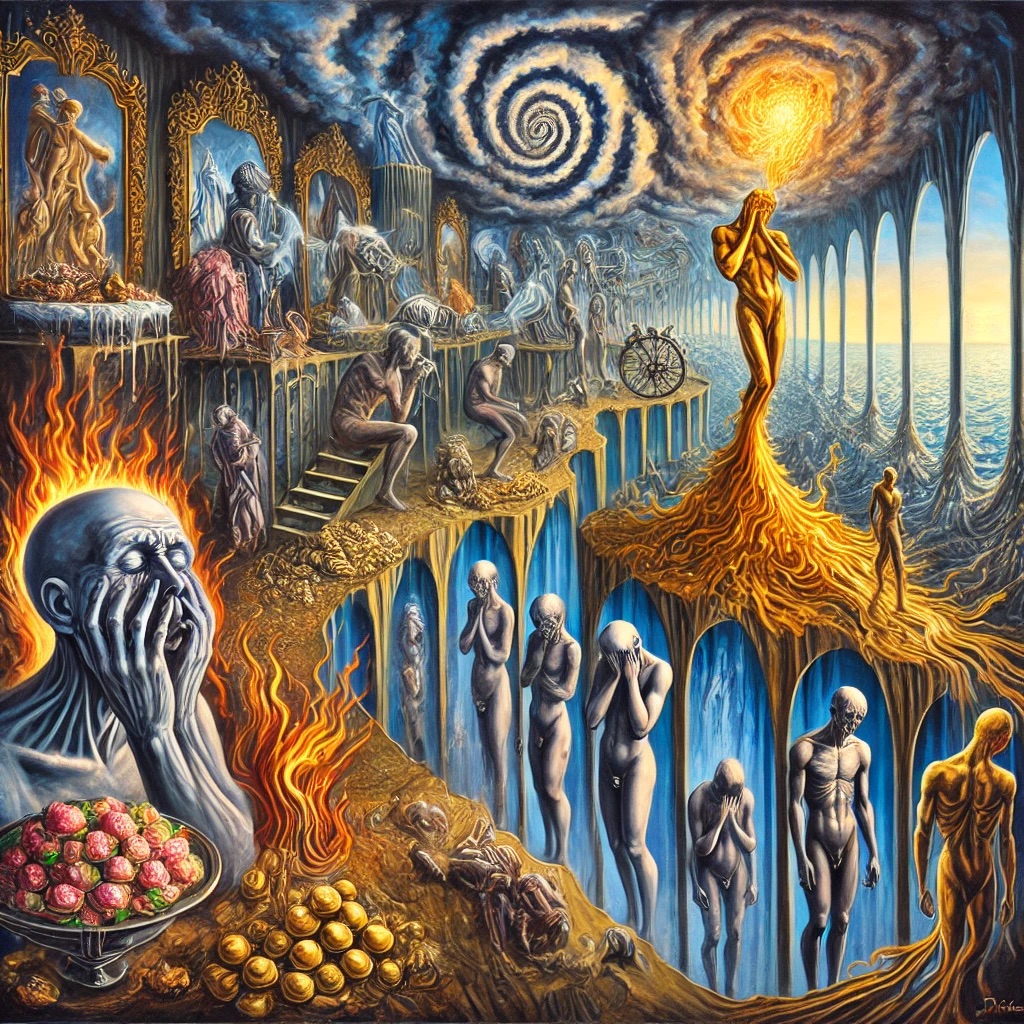
In our daily social lives, the seven deadly sins—lust, gluttony, greed, sloth, wrath, envy, and pride—are deeply embedded in human behavior. They are not just religious or philosophical warnings but represent the mental and emotional imbalances that fuel suffering in our world.
- Lust – The craving for pleasure and instant gratification, often leading to self-destruction and dissatisfaction.
- Gluttony – Overindulgence in food, substances, or materialism to numb emotional emptiness.
- Greed – The insatiable desire for more, whether money, power, or status, often at the expense of others.
- Sloth – Mental or physical laziness, avoiding growth and accountability.
- Wrath – Uncontrolled anger, leading to destructive thoughts, actions, and broken relationships.
- Envy – The inability to be content, constantly comparing oneself to others, breeding resentment.
- Pride – An inflated ego that prevents self-awareness and humility, blocking true connection.
These tendencies exist in all of us, and whether we succumb to them or rise above them determines our reality.
Heaven and Hell as a Mindset
The concept of heaven and hell is not just a religious doctrine but a reflection of the mind.
- A “heavenly” state is when we flow with life, embracing challenges as growth opportunities and cultivating gratitude, peace, and love.
- A “hell-like” state is when we resist life, live in victimhood, complain, and spiral into suffering—trapped in a self-created prison of the mind.
This perspective shifts the idea of heaven and hell from external places to internal realities. We are not punished by life; we are shaped by the choices we make within it.
The beauty of human existence is that we have the power to shift our state at any moment. Even in suffering, we can choose to see the lesson. Even in loss, we can find meaning. The mind is the key—it determines whether we rise or remain in cycles of despair.
The Illusion of Time and the Distraction of Chemicals
Though time is limited, society operates as if we are immortal. We waste time on distractions, addictions, and unhealthy habits while our bodies work tirelessly to combat the damage we inflict upon them. We flood our systems with chemicals—processed foods, substances, pharmaceuticals—then create excuses to justify our self-sabotage.
Rather than facing pain head-on and learning to heal, many seek to numb, escape, or distract—but at what cost? Avoidance doesn’t remove suffering; it only delays and amplifies it.
The only way forward is through.
Conclusion: The Power of Awareness and Choice
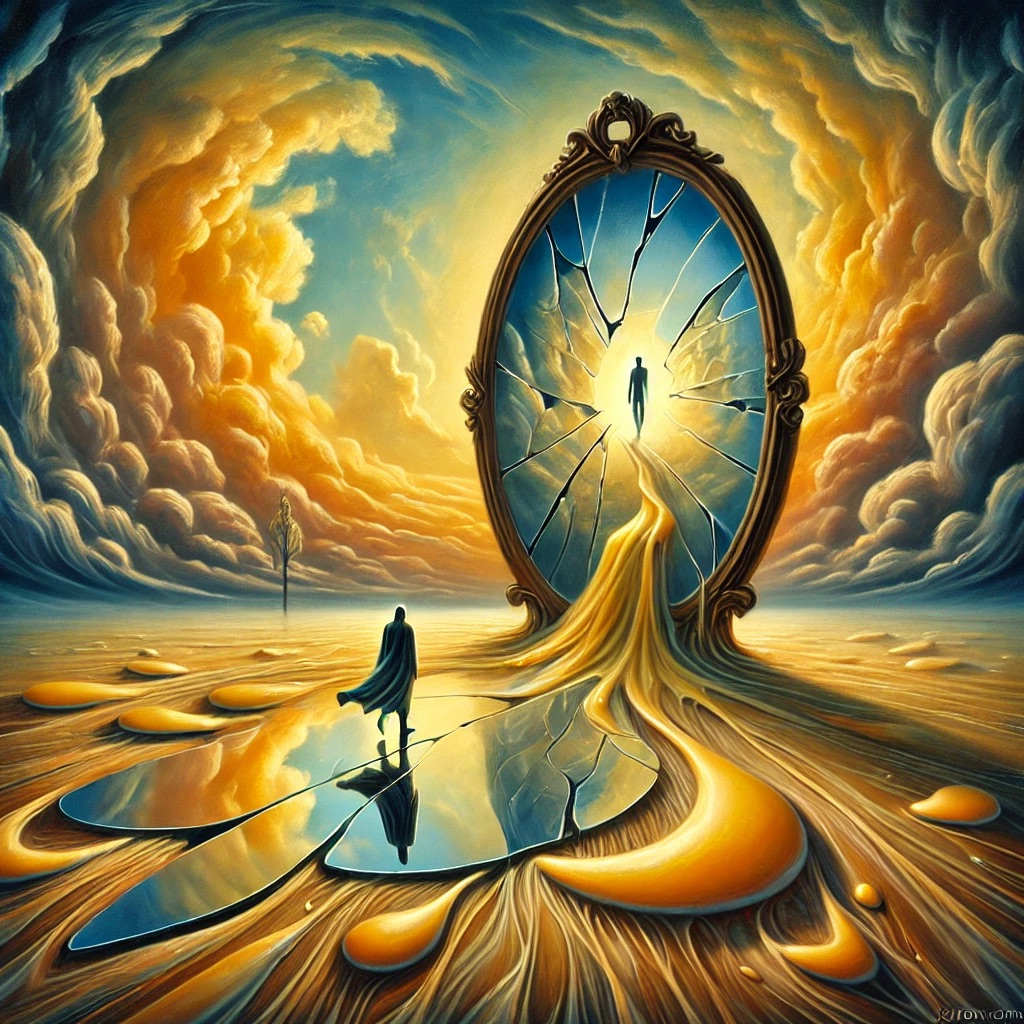
The truth is simple: Life is a reflection of our internal world.
✔ Every experience, whether painful or joyful, serves a purpose.
✔ Every challenge is an opportunity to evolve.
✔ Every moment is a choice—to embrace growth or remain stuck.
Pain is inevitable. Struggle is inevitable. But how we perceive, process, and respond to these experiences determines whether we live in light or darkness, in peace or suffering.
We are the architects of our reality.
What do you choose?
 NO LABELS JUST HUMAN