In our rapidly evolving modern world, we face a myriad of challenges that are unique to this era. These challenges are often rooted in our interactions and the way we communicate with one another. It’s a time when taking responsibility and engaging in constructive conversations have become more crucial than ever.
The Challenge of Responsibility: One significant challenge we face today is the reluctance to take responsibility in various situations. This lack of responsibility can manifest in our personal lives, workplaces, and even in our interactions on social and political fronts. It seems that many are quick to deflect blame, avoid accountability, or simply remain passive observers when they should be active participants. This behavior can hinder growth, understanding, and progress, both individually and as a society.
Closed-Mindedness and the Echo Chamber: A prevalent challenge is the tendency to uphold our perspectives without being open to differing viewpoints. In the age of information, it’s paradoxical that many individuals find themselves trapped within echo chambers. These echo chambers are created by surrounding ourselves with like-minded individuals and consuming content that aligns with our existing beliefs. As a result, we miss out on opportunities to broaden our understanding and engage in meaningful dialogue.
The Art of Constructive Conversations: To overcome these challenges, we need to embrace the art of constructive conversations. This entails actively listening, empathizing, and striving to understand one another rather than insisting on changing someone’s thinking. It requires us to engage in discussions with an open mind, ready to accept that our perspective may evolve through these interactions.
The Importance of Empathy: Empathy plays a pivotal role in navigating modern challenges. It empowers us to appreciate the experiences and perspectives of others, even if they differ from our own. By putting ourselves in someone else’s shoes, we can forge connections and bridge gaps that would otherwise remain unaddressed.
Learning to Listen: Active listening is another critical component of constructive conversations. Often, people are so eager to express their own thoughts that they forget to truly hear what the other person is saying. In a constructive conversation, we prioritize understanding before responding, which can lead to more productive and insightful exchanges.
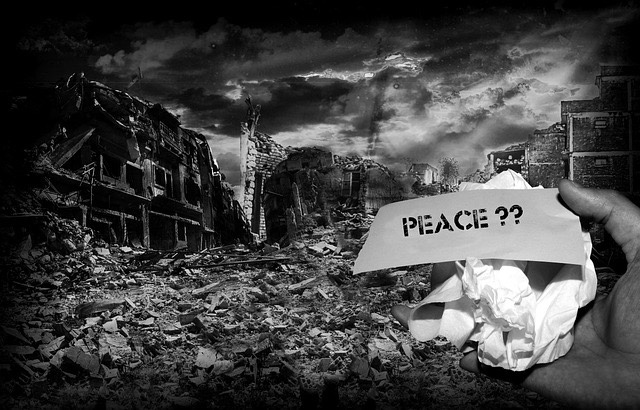
Conclusion: In the modern world, where diversity of thought and perspective is celebrated, taking responsibility and engaging in constructive conversations are imperative. We need to break free from the echo chambers, embrace empathy, and actively listen to one another. By doing so, we can tackle the unique challenges of our time and work towards a more harmonious and understanding society. It’s a journey that begins with each of us taking a step towards being open, empathetic, and responsible members of our global community.
 NO LABELS JUST HUMAN