🌍 The Challenge of Blame and Anger 🤔
As humans, it’s often challenging to avoid blaming others for our emotional reactions and actions. This arises from a complex interplay of factors:
- Defensiveness: Our instinct to protect our ego and self-esteem often leads to blame. It’s easier to point fingers outward than to confront our vulnerabilities.
- Lack of Emotional Literacy: Many of us haven’t been taught how to effectively manage and express our emotions. This can result in emotional outbursts, with blame as an outlet.
- Cultural and Social Norms: Societal norms can sometimes encourage blaming others, perpetuating a cycle of anger and defensiveness.
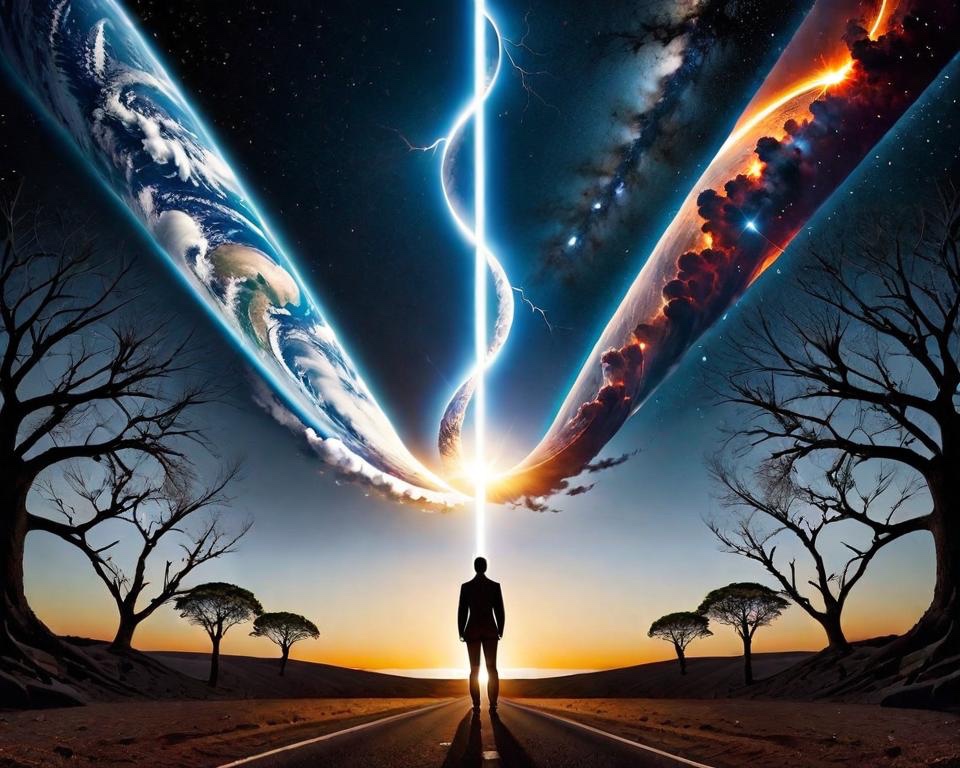
🤝 The Path to Resolution 🌱
While these challenges are real, there are steps we can take to foster a more responsible and emotionally intelligent society:
- Self-Awareness: The journey begins within. We must become more aware of our own emotions and reactions. Understanding why we feel a certain way is the first step.
- Emotional Education: Schools and communities should prioritize emotional education, teaching children and adults how to identify, express, and manage their emotions.
- Open Dialogue: Encouraging open and non-judgmental communication is vital. It’s essential to create spaces where people feel safe discussing their emotions without fear of blame.
- Empathy: Developing empathy helps us understand others’ perspectives. When we comprehend their emotions and experiences, it becomes harder to blame them.
- Conflict Resolution Skills: Learning to resolve conflicts through communication, compromise, and empathy can prevent anger and blame from escalating.
- Mindfulness Practices: Techniques like meditation can help individuals stay present, manage emotions, and respond more thoughtfully.
- Accountability: Acknowledging our own role in conflicts and emotional reactions is crucial. Taking responsibility for our actions and feelings is a powerful step toward resolution.
🌈 By fostering self-awareness, empathy, and emotional education, and by encouraging accountability and open dialogue, we can collectively move towards a society where blame and anger give way to understanding, compassion, and emotional responsibility. It’s a journey of transformation that holds the potential to create a more harmonious world. 🌟
 NO LABELS JUST HUMAN