The Key to Constructive Conversations
In the midst of debates, disagreements, and differing opinions, cultivating inner peace becomes an invaluable tool for fostering constructive conversations. When we approach dialogues with a calm and centered mindset, we open the door to productive discussions, mutual understanding, and positive outcomes.
The Role of Inner Peace
Inner peace is a state of emotional and mental calmness, regardless of external circumstances. It’s the ability to remain composed, empathetic, and open-minded even in the face of challenging conversations. Recognizing its importance in constructive discussions is the first step towards meaningful communication.
Action Step: Take a moment to practice a brief mindfulness exercise. Focus on your breath and let go of any immediate tensions or worries. This can be a powerful way to cultivate inner peace before engaging in a conversation.
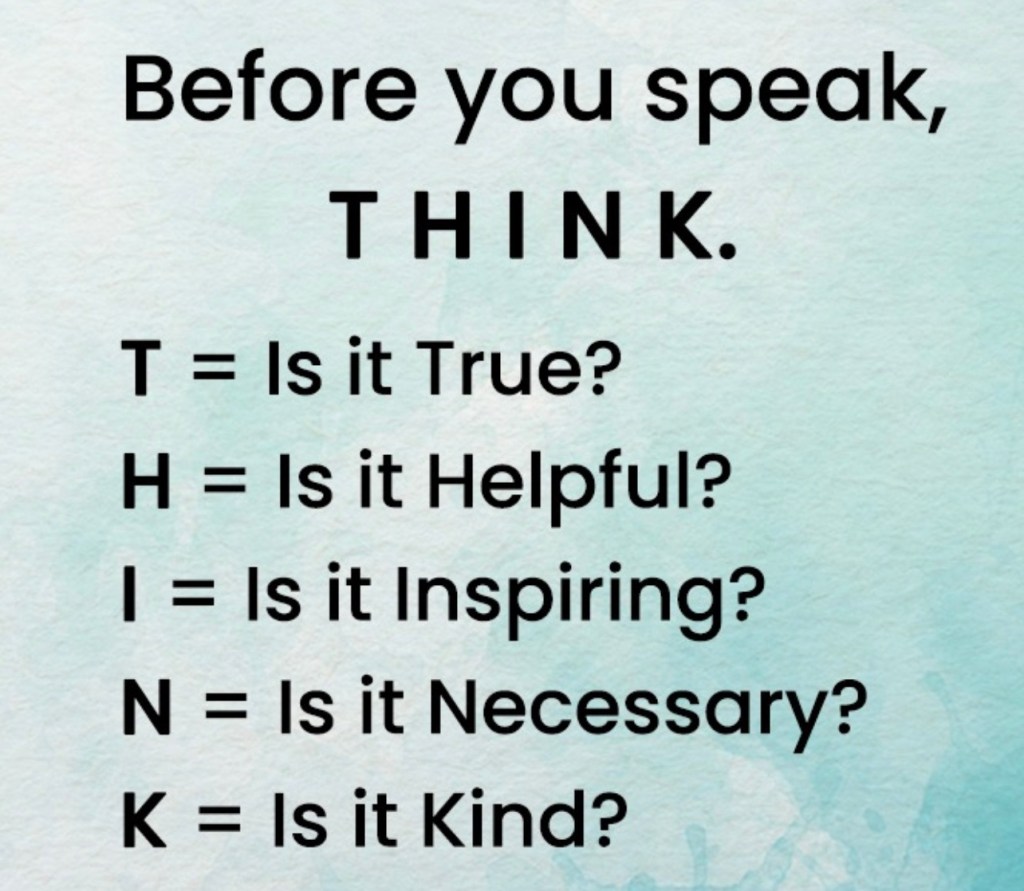
Active Listening and Empathy
Constructive conversations require active listening and empathy. When we cultivate inner peace, we’re better equipped to genuinely listen to others without immediately formulating our responses. This allows us to understand their perspectives and respond with empathy.
Reflection: Think about a recent conversation where you actively listened and empathized with the other person. How did it impact the quality of the dialogue?
Managing Emotional Reactions
Inner peace acts as a buffer against emotional reactions that can derail conversations. It empowers us to acknowledge our emotions without being controlled by them. By staying calm, we can express our thoughts and feelings in a constructive manner.
Practice: When faced with a potentially heated conversation, pause and take a few deep breaths. This simple act can help you manage your emotional reactions and maintain inner peace.
Finding Common Ground
Inner peace fosters a mindset of seeking common ground. It encourages us to look for shared values, goals, or interests in any discussion. By focusing on what unites us, we can bridge divides and work towards mutually beneficial solutions.
Inspiration: Recall a conversation where finding common ground led to a positive outcome. How did it change the trajectory of the discussion?
The Art of Diplomacy
Constructive conversations often require a degree of diplomacy. Inner peace enables us to approach discussions with a diplomatic spirit, emphasizing respect and courtesy. It’s a skill that can turn potential conflicts into opportunities for collaboration.
Sharing: Share your experiences of cultivating inner peace for constructive conversations with others. Encourage them to explore these practices in their own dialogues.
Cultivating a Culture of Constructive Conversations
In summary, cultivating inner peace is a powerful catalyst for constructive conversations. It allows us to approach discussions with a calm and empathetic mindset, manage emotional reactions, seek common ground, and practice diplomacy. By fostering a culture of inner peace in our conversations, we can create a world where meaningful dialogue leads to positive change.
 NO LABELS JUST HUMAN